


Quick summary
- A bad quarter unravels faster when a coach's sideline energy adds panic instead of steadying it.
- Halftime resets work best when focused on two or three fixable things, not a full replay of everything that went wrong.
- Players hold their composure longer when the coach's communication style stays the same whether the team is ahead or behind.
Why a Team's Composure Breaks Down Faster Than Its Execution
Definition
Sideline composure: A team's ability to keep playing its normal game plan and communication after a setback, rather than rushing, over-pressing, or turning on each other.
A single bad quarter rarely loses a youth football game on its own. What actually costs a team the game is often what happens after it: players start rushing plays, blaming teammates, or waiting for the coach to fix everything instead of executing the next snap.
Composure is a skill, the same as blocking or tackling, and it breaks down under pressure just like any other skill that hasn't been practiced. Coaches who only address it after it's already gone are already behind.
The next play matters more than the last three. A team that keeps playing the next play well can still win a game it was losing at halftime.
Sideline Communication in the Moment, Not Just at Halftime
What a coach says on the sideline between series sets the tone more than anything said at halftime, because it happens closer to the mistake and while emotions are still high. A calm, specific correction in that window does more than a general pep talk later.
Raising volume or visibly panicking on the sideline reads directly to players as 'this is bad,' even if the words say something reassuring. Tone matters as much as content in that moment.
- Keep voice and body language steady, even when the score isn't.
- Give one specific, fixable correction rather than a list of everything wrong.
- Address the player directly and briefly, then move on to the next series.
- Save broader pattern feedback for halftime or after the game, not mid-series.
Structuring the Halftime Reset Around Two or Three Fixes
A halftime talk that tries to cover every mistake from the first half overwhelms young players and leaves them with nothing clear to focus on in the second half. Picking two or three fixable things keeps the message usable.
The reset should also include something the team is doing well, named specifically, not as a throwaway compliment but as something to keep doing. Players walk out of a halftime talk that's only corrections feeling worse, not more focused.
- Acknowledge the score or situation briefly, without dwelling on it.
- Name one thing the team is doing well and should keep doing.
- Give two or three specific, fixable corrections for the second half.
- End with a short, concrete focus point for the first series back out.
Keeping the Approach Consistent Whether the Team Is Ahead or Behind
Players notice when a coach's communication style changes based on the score, and that shift itself can create anxiety. A coach who is calm and direct when winning but sharp and reactive when losing teaches players to associate a bad quarter with the coach's mood, not just the game.
The most reliable teams over a season are usually the ones whose coach sounds and acts the same in a blowout win and a close, tense game. That consistency is what players end up trusting under pressure.
| Situation | Sideline Tone | Focus |
|---|---|---|
| Leading comfortably | Calm, steady | Maintain execution, avoid complacency |
| Close game | Calm, direct | Next play, specific corrections |
| Down after a bad quarter | Calm, steady (unchanged) | One or two fixable things, not everything |
Related SportX1 resources
Frequently asked questions
What's the biggest mistake coaches make after a bad quarter?
Over-coaching, trying to fix everything at once, which overwhelms young players instead of giving them one or two clear things to focus on.
How long should a halftime talk be for a youth team?
Short, often just a few minutes, focused on two or three specific points rather than a full recap of the first half.
How can coaches practice composure before it's tested in a game?
By simulating adverse situations in practice, like starting a scrimmage down a score, so players experience the reset process before it matters in a real game.
Help players reset focus, one series at a time
Use SportX1 to plan adversity scenarios in practice and give coaches quick, consistent prompts for sideline and halftime communication.
Related articles
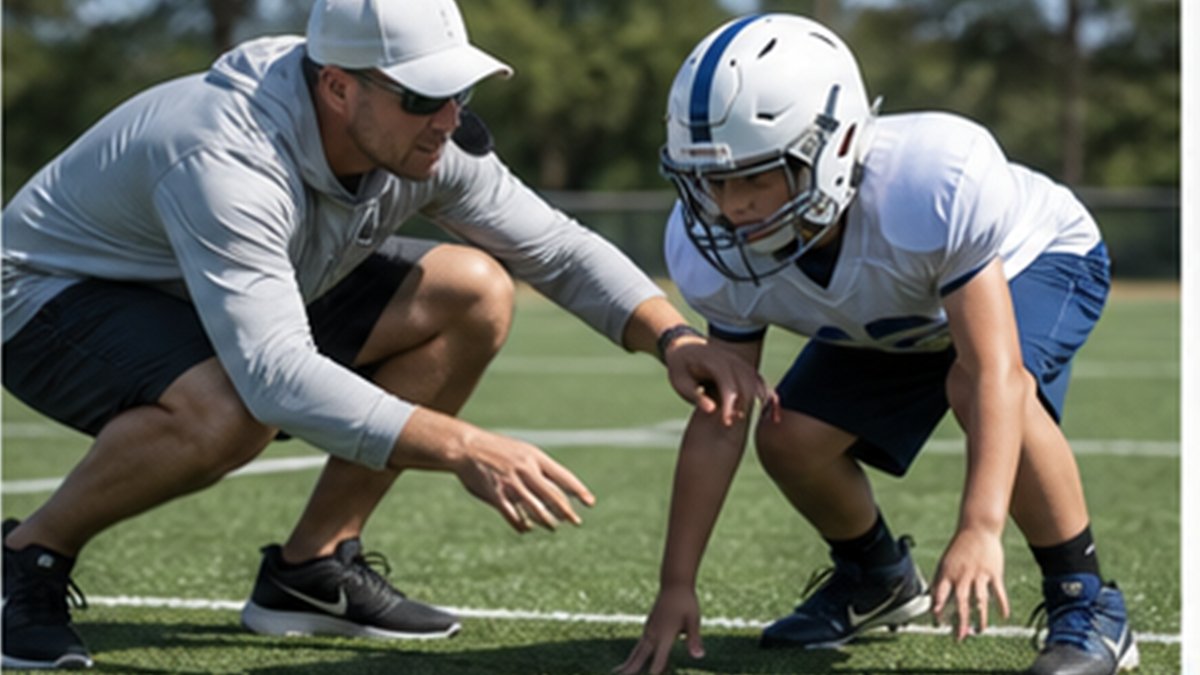
How to Teach Youth Football Players to Read Their Keys Before the Snap
A simple way to teach young football players what to look for before the snap, so decisions on the field come from recognition instead of guessing.

How to Teach Youth Receivers Consistent Route Depths
Cone-marked route trees help young receivers stop rounding cuts short or long so their timing with the quarterback holds up.
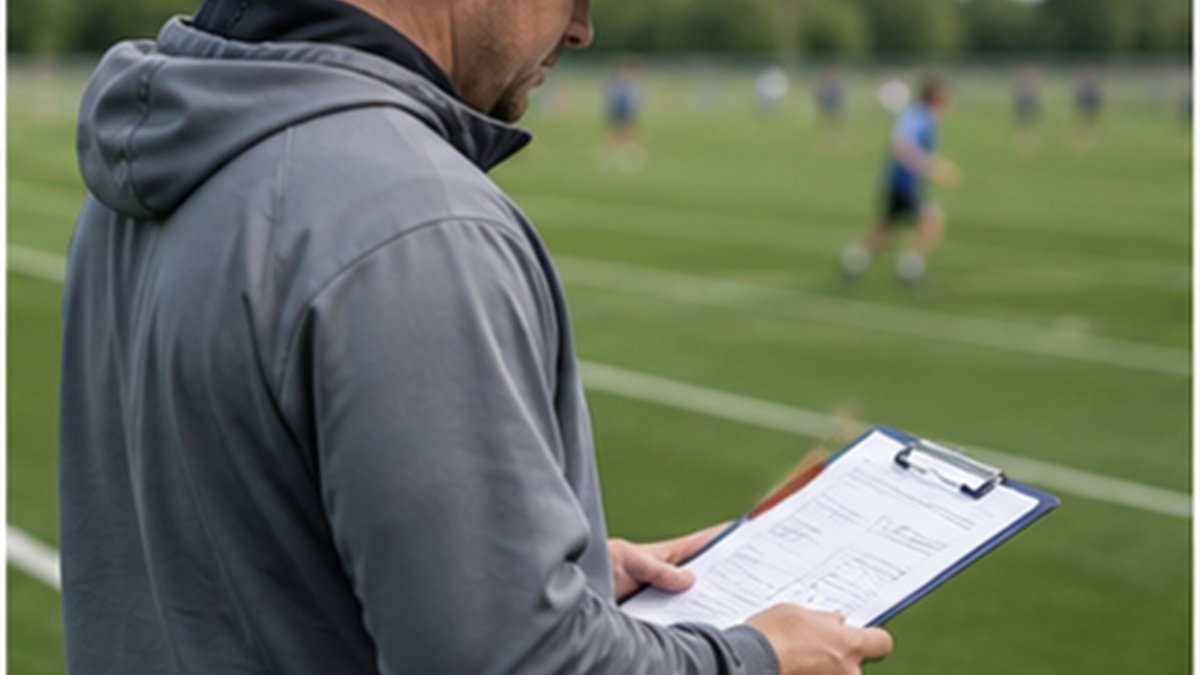
How to Give Youth Athletes Feedback They Actually Use
A practical framework for youth coaches to give feedback that's specific, timely, and short enough for players to remember and apply on the next rep.

About the author
SportX1 Editorial Team
Coach-reviewed guidance for youth sports learning, player development, team operations, and AI-supported coaching workflows.