
Quick summary
- AI tools are useful for drafting practice plans and messages, but some youth coaching decisions should never be handed to them.
- Playing time, discipline, and any decision tied to a specific child's wellbeing depend on context only a coach who knows that player actually has.
- Safety and return-to-play decisions belong to trained adults and medical professionals following an actual protocol, not an AI summary of one.
Where AI Belongs and Where It Doesn't
Definition
Judgment call: A decision that depends on knowing a specific child, like their mood, their body, or their history, that no drafting tool has access to, as opposed to a drafting task like wording a drill or organizing notes.
AI tools are genuinely useful for coaching. Drafting practice plans, summarizing notes, and tightening the wording on a message home are all text and pattern work AI handles well.
The risk shows up when a coach lets a tool that only sees a fraction of the picture start making calls that actually depend on the child in front of them.
- Playing time and roster decisions
- Disciplinary consequences
- Return-to-play and safety calls
- Anything tied to a specific child's wellbeing
Playing Time and Discipline Are Never AI's Call
Playing time decisions depend on things no AI tool has access to, like how a player showed up to practice that week, an injury they mentioned quietly, or a home situation affecting their focus. Reducing that to stats or attendance data misses most of what actually matters.
Discipline works the same way. A consequence that fits one player's situation might be exactly wrong for another, and a coach who knows the player is the only one positioned to make that call.
A stat line or attendance log can inform a decision. It should never be the decision. Playing time and discipline require a coach who knows the player, not just the data about them.
Safety and Return-to-Play Decisions Stay With Trained Adults
An AI tool might help a coach organize the steps of a concussion protocol or draft a note to parents about an injury. It should never be the thing deciding whether a player is cleared to return.
These are medical and safety judgments that belong to athletic trainers, medical professionals, and parents, following the actual protocol for that injury, not a chatbot summarizing symptoms.
- Stop the player from returning to activity if there's any doubt.
- Follow the team or league's actual concussion or injury protocol, not a general AI summary of one.
- Get clearance from a qualified medical professional before any return-to-play decision.
- Use AI only to help document what happened, never to decide next steps.
Keep AI in the Drafting Lane, Not the Deciding Lane
The useful pattern is consistent across every AI-for-coaching use case: AI drafts, a human decides. That holds for practice plans, parent messages, and video review, and it holds even more firmly for anything involving a specific child.
Coaches who keep that boundary clear get the time-saving benefit of AI tools without handing off decisions that were never appropriate to automate in the first place.
| Task | AI Can Help Draft | Who Must Decide |
|---|---|---|
| Practice plan wording | Yes | Coach reviews and adjusts |
| Parent update summary | Yes | Coach reviews before sending |
| Playing time | No | Coach, based on full context |
| Return-to-play clearance | No | Medical professional |
Related SportX1 resources
Frequently asked questions
Is it ever okay to use AI to help decide playing time?
AI can help organize attendance or practice notes, but the decision itself should stay with the coach, who has context AI doesn't have access to.
Can AI tools handle injury or safety questions at all?
They can help draft documentation or organize a protocol's steps, but any actual safety or return-to-play clearance must come from a qualified medical professional, not an AI summary.
How can a coaching staff set a clear boundary for AI use?
A simple rule holds up well: AI can help draft anything a coach will personally review before it's used, and it should never be the final call on anything involving a specific child.
Use AI where it helps, keep judgment calls human
See how SportX1 scopes AI tools to drafting and organizing, leaving decisions about players with the coaches who know them.
Related articles
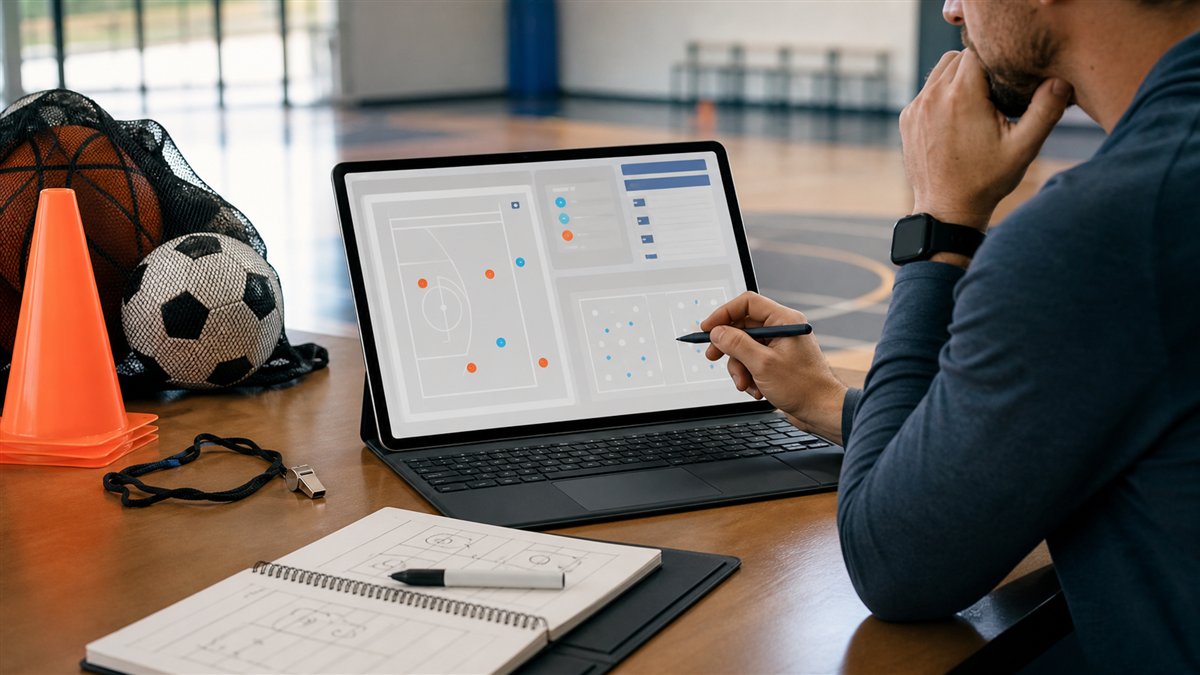
AI Practice Planning Prompts Coaches Can Actually Use
Prompt patterns for creating a useful first draft of a practice plan, then checking it for age level, safety, space, and coaching language.
Using AI to Personalize Practice for Mixed-Ability Teams
How coaches can use AI to quickly draft easier and harder versions of the same drill, so mixed-ability teams all work toward the same objective without three separate practices.
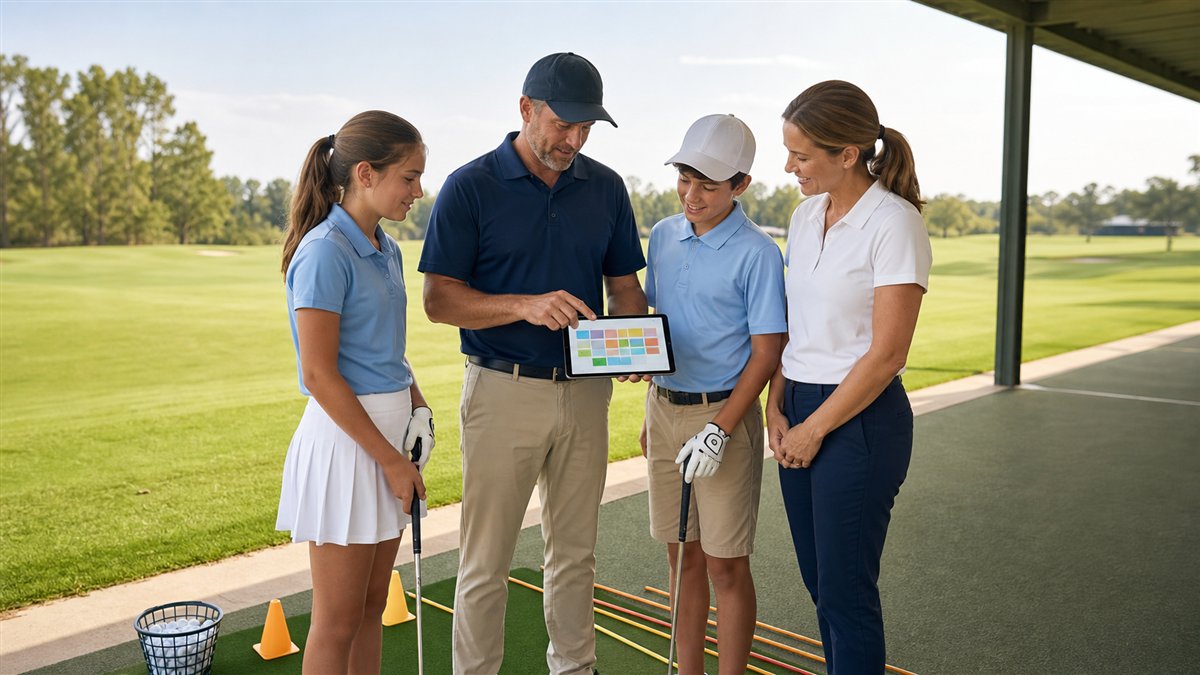
Using AI to Turn Practice Notes Into Clear Parent Updates
How youth coaches can use AI to turn quick practice notes into short, specific progress updates for families, without spending evenings writing recaps.
About the author
SportX1 Editorial Team
Coach-reviewed guidance for youth sports learning, player development, team operations, and AI-supported coaching workflows.