

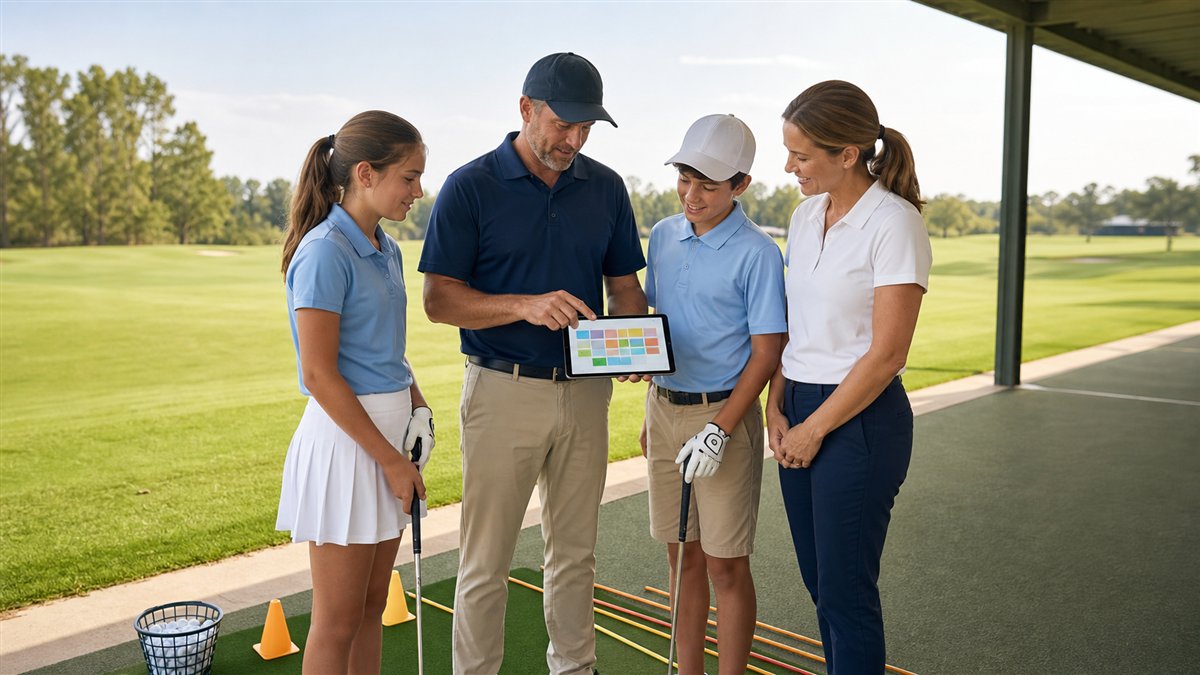
Quick summary
- Parents want specific updates, not just a general sense that their child is doing fine.
- AI can turn a coach's short practice notes into a clear, family-friendly summary in a fraction of the time.
- The coach still decides what's worth sharing. AI just handles the writing.
Families Want Specifics, Not Just Reassurance
A message that says a player 'had a great practice' feels nice for a moment, but it doesn't tell a family anything they can act on or feel genuinely proud of. Specific updates, tied to something the player actually did, land differently.
The challenge is time. Writing a specific, personal update for every player after every practice isn't realistic for most volunteer or part-time coaches.
Let AI Handle the Writing, Not the Judgment
Definition
AI-assisted update: A short family update where a coach provides the specific detail and AI turns it into clear, readable language, rather than AI generating the content from scratch.
The fastest way to use AI here is to keep the coach's job small: jot down one specific detail per player, then let AI turn that note into a short, well-written update.
This keeps the coach's judgment in the loop while removing the part that actually eats up time: turning short notes into full sentences a family will enjoy reading.
- After practice, write one specific detail per player in a few words.
- Use AI to turn each note into a short, warm, specific update.
- Review each update before sending; adjust anything that doesn't sound like the coach.
| Coach's short note | AI-expanded update |
|---|---|
| Called for ball twice, up from zero last week | Alex is speaking up more on the field. Today they called for the ball twice, a real step up from last week. |
| Stuck with a tough drill after two misses | Jordan stayed focused through a tricky drill today even after a couple of misses, a great sign of persistence. |
Keep Updates Consistent, Not Just Occasional
A single glowing update means less if it's the only one a family gets all season. Consistency, even short and simple, builds more trust than one long message sent occasionally.
AI-assisted updates make a regular rhythm realistic, since the time cost per update drops once the coach only needs to supply one detail.
- Aim for a short update every week or two, not just after big moments.
- Keep each update to one specific detail, not a full recap.
- Let the coach's own voice guide any edits before sending.
Set Clear Boundaries for What AI Should Write
AI should never be the one deciding what's worth telling a family, especially anything sensitive like an injury, a conflict, or a concern about a player's confidence. Those conversations still belong to the coach directly.
Reserve AI-assisted updates for the routine, positive, specific progress notes; keep anything more serious as a direct, personal conversation.
If an update involves a concern, not just progress, it should come from the coach directly, not through an AI-drafted message.
Related SportX1 resources
Frequently asked questions
Will AI-written updates sound generic?
Only if the coach's input is generic. The more specific the original note, the more specific and genuine the AI-expanded update will read.
Should coaches tell families that AI helped write an update?
Many programs choose to be transparent about it in general communication, though the specific detail should always come from the coach, not the tool.
Is this only useful for individual updates, or can it help with team-wide messages too?
Both. The same approach works for turning a coach's short team-wide notes into a clear weekly recap for the whole roster.
Send family updates without the evening writing session
Use SportX1 to turn quick coach notes into clear, specific updates families actually read.
Related articles
AI Practice Planning Prompts Coaches Can Actually Use
Prompt patterns for creating a useful first draft of a practice plan, then checking it for age level, safety, space, and coaching language.
Weekly Player Check-Ins That Build Confidence, Not Pressure
A short, repeatable check-in routine youth coaches can use to build player confidence through specific wins instead of generic encouragement.
How to Give Youth Athletes Feedback They Actually Use
A practical framework for youth coaches to give feedback that's specific, timely, and short enough for players to remember and apply on the next rep.

About the author
SportX1 Editorial Team
Coach-reviewed guidance for youth sports learning, player development, team operations, and AI-supported coaching workflows.