

Quick summary
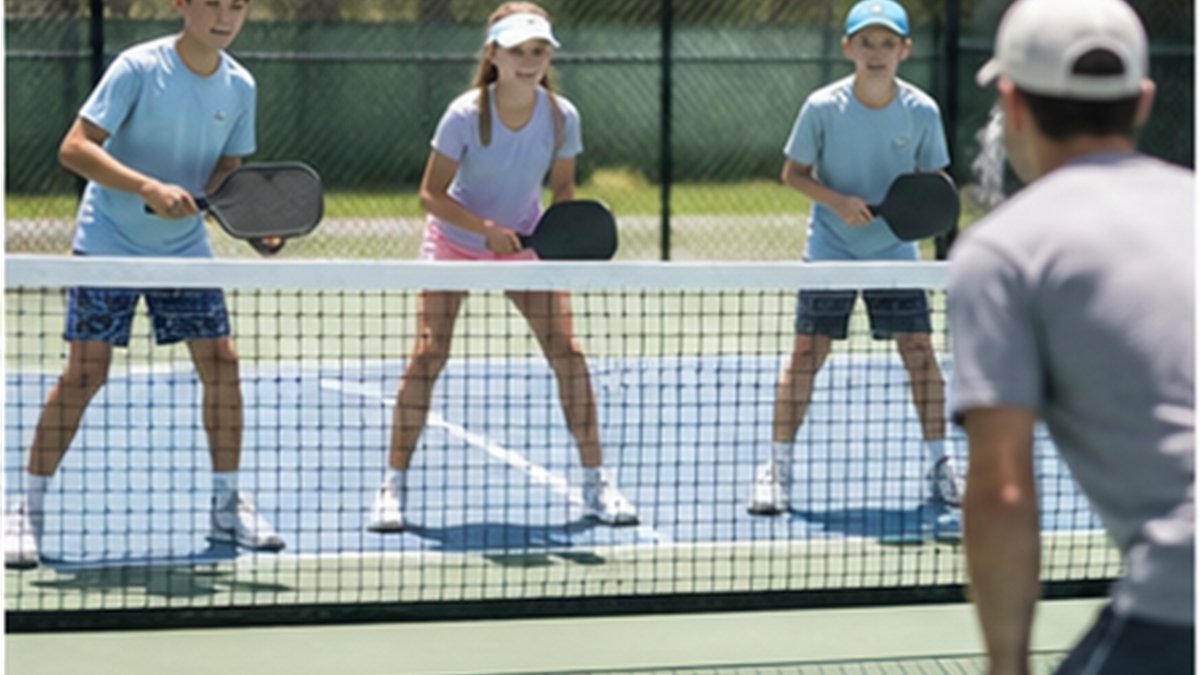
- Young doubles teams often play like two separate singles players, leaving gaps an opponent can attack.
- Teaching lateral movement as a pair, staying parallel to the net, closes those gaps naturally.
- Simple communication cues help partners track each other's position without constantly looking sideways.
Why Young Teams Play Like Two Singles Players
Definition
Paired lateral movement: The habit of both doubles partners shifting side to side together, staying roughly parallel to each other and to the net, so the team covers the court as one connected unit.
Young players usually learn pickleball fundamentals individually, so their first instinct in doubles is to defend their own side of the court. That works until an opponent finds the gap between the two players and starts targeting it every point.
Playing as a connected pair takes practice because it asks each player to react to a partner's position, not just the ball. Most teams need this taught directly rather than picked up on their own.
- One partner chases every wide ball while the other stands still, opening a gap in the middle.
- Both players face the ball instead of tracking their partner's position out of the corner of their eye.
- The team loses points down the middle because neither player takes clear ownership of it.
Positioning Side by Side at the Kitchen Line
Once both players reach the kitchen line, they should be roughly the same distance from the net and moving together, not one player camped in and the other hanging back. This keeps the team's coverage even across the width of the court.
Coaches can teach this by assigning each player a clear role depending on which side the ball is on.
The ball-side player
The player on the same side as the ball takes primary responsibility for it, staying aggressive and ready to attack a high ball.
The off-ball partner
The other player shifts toward the middle to cover the gap, rather than staying frozen on their original side of the court.
Communication Cues That Keep Partners Connected
Verbal cues let a team move together without both players staring at each other instead of the ball. A short, simple set of calls is enough for most young players to coordinate movement.
These calls should be practiced in drills before they're expected to show up in a real match.
- Introduce one call for switching sides, like "mine" or "switch," and practice it in a controlled drill.
- Add a call for shifting toward the middle when a partner is pulled wide.
- Practice the calls during slow-paced dinking rallies before adding faster live points.
- Reinforce the calls during scrimmages until they happen without prompting.
Closing Gaps During the Transition to the Net
Teams are most vulnerable to gaps while they're still moving up from the baseline, before both players reach the kitchen line. Opponents often aim directly at this transition zone because it's where coordination breaks down first.
Practicing specific scenarios helps young players recognize when to close a gap versus when to hold position.
| Situation | Correct Team Response |
|---|---|
| Partner is pulled wide by a hard drive | Other player shifts toward the middle to cover the gap |
| Both players still approaching from the baseline | Move up together at the same pace, staying level with each other |
| Opponent lines up a shot down the middle | Player with the better angle calls it and takes the shot |
Related SportX1 resources
Frequently asked questions
What age can young players start learning doubles positioning?
Most players can start around age 9 or 10, once they're comfortable with basic groundstrokes and can focus on something beyond just hitting the ball.
How do we stop players from bunching together?
Assign clear ball-side and off-ball roles in practice so each player has a specific job depending on where the ball is, rather than both drifting toward it.
Do younger players need to learn verbal calls, or does positioning come first?
Positioning drills should come first so the movement feels natural, then simple calls layer on top to reinforce it during faster play.
Build stronger doubles partnerships on and off the court
Use SportX1 to plan positioning drills and track how each doubles pairing communicates and covers the court.
Related articles
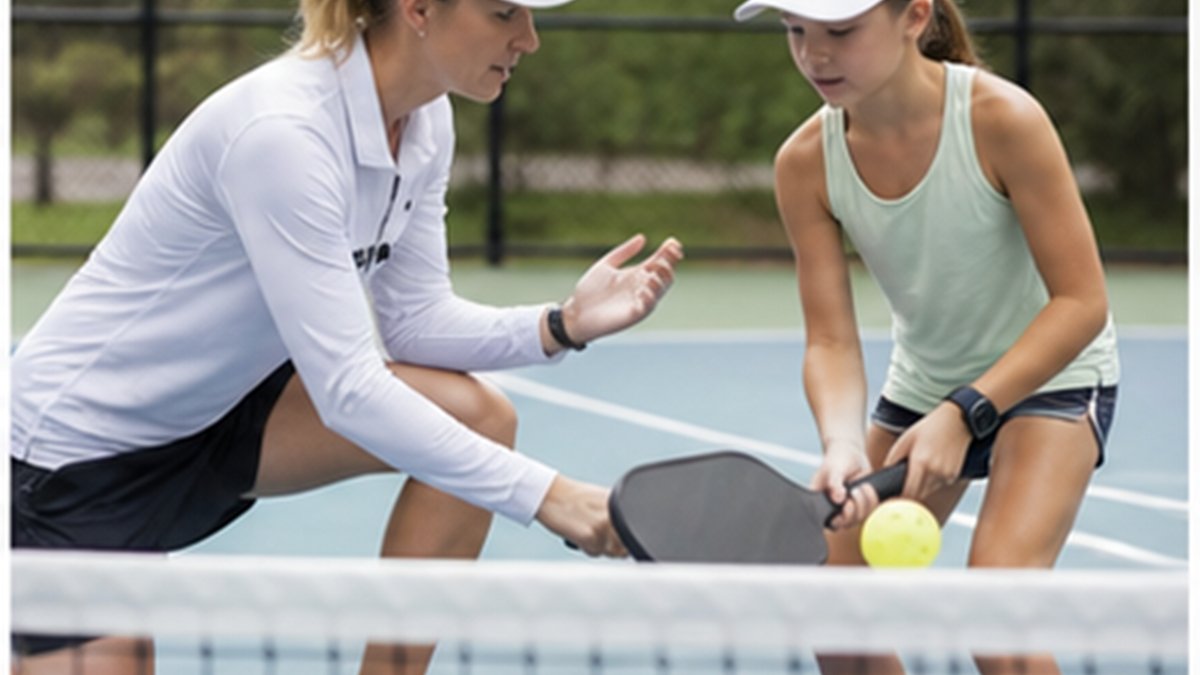
How to Teach Young Players to Win the Kitchen Line With Dinks
A coach-friendly progression for teaching youth pickleball players soft-game control at the kitchen line, instead of relying on power shots alone.
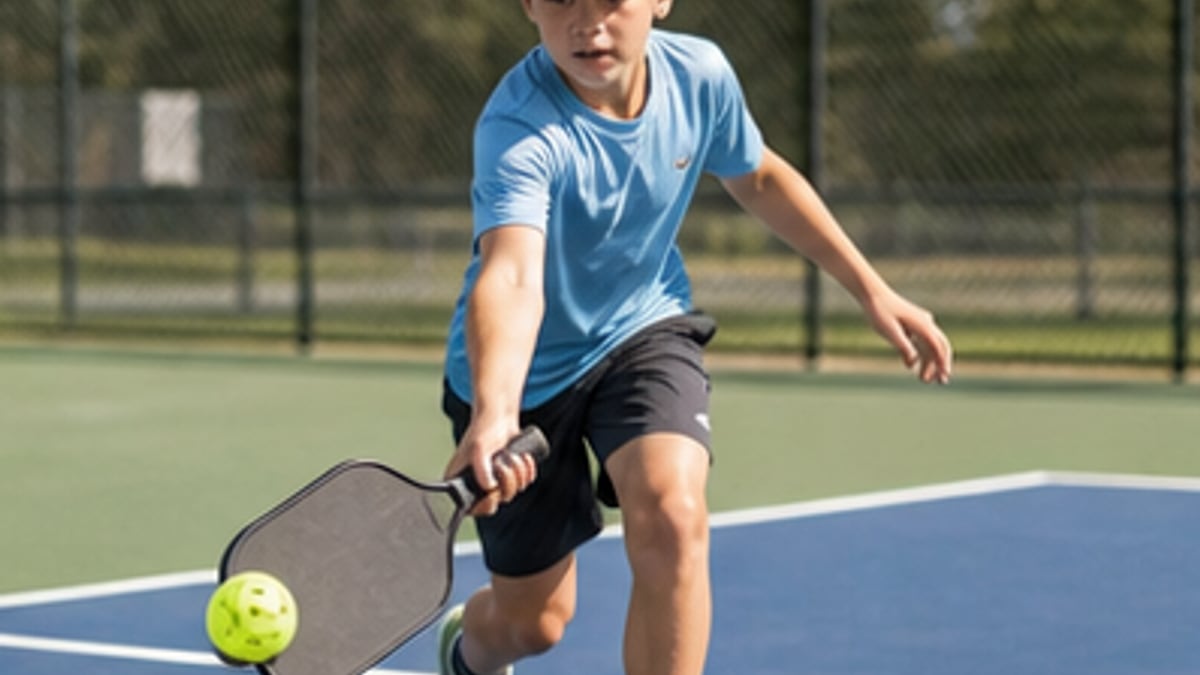
How to Teach a Consistent Third-Shot Drop in Pickleball
A step-by-step approach for teaching young pickleball players the soft, arcing third-shot drop that lets a serving team advance safely to the kitchen line.
How to Create a Youth Pickleball Practice Plan Players Can Follow
A youth pickleball practice-planning framework coaches can use to build clearer sessions, save time, and keep players connected to one learning goal.
About the author
SportX1 Editorial Team
Coach-reviewed guidance for youth sports learning, player development, team operations, and AI-supported coaching workflows.