
Quick summary
- The third-shot drop is a touch shot, not a power shot, and young players usually need to unlearn a driving motion first.
- Paddle face angle and a soft grip matter more than arm speed for getting a consistent, safe arc into the kitchen.
- A short, repeatable drill progression builds the shot faster than only practicing it during live points.
Why the Third-Shot Drop Is the Hardest Shot to Learn
Definition
Third-shot drop: A soft, arcing shot hit from the baseline, right after the serve and return, that lands in the opponent's kitchen and lets the serving team move up to the net without giving up an easy attack.
Most young players learn pickleball by driving the ball hard and low, so the third-shot drop asks them to do the opposite of what feels natural. It trades power for touch, and that trade is uncomfortable at first.
The shot also has to travel the full length of the court and still land soft enough that an opponent at the net can't attack it. That combination of distance and touch is why it takes longer to learn than most other pickleball skills.
- It requires touch, not power, which runs against a young player's instinct to hit harder.
- It has to travel a long distance while still landing soft, which is a hard combination to time.
- A player who rushes it usually pops the ball up, handing the point to the net team.
Paddle Angle and Grip Control the Arc
A driving grip and a flat paddle face produce a flat, hard shot, which is exactly the opposite of what a drop needs. Coaches should start by checking the two things that shape the arc: grip pressure and paddle face angle.
Once a player can consistently open the paddle face and soften the grip, the arc becomes far easier to control on both slow and fast returns.
A relaxed, continental-style grip
A tight grip transfers more energy into the ball, which flattens the shot. Loosening the grip, especially in the fingers, lets the paddle absorb pace instead of returning all of it.
An open paddle face
Tilting the paddle face slightly upward at contact is what lifts the ball into an arc instead of driving it flat. Coaches can check this by having players hold the paddle still and look at the face angle before adding any swing.
A Drill Progression That Builds Consistency
The drop shot rarely improves from live-point repetition alone, because a player only gets a few real attempts per game. A dedicated drill progression gives far more reps in the same amount of practice time.
Start close to the net and work backward, since the shot gets harder as the distance increases. Each step should be mastered before moving to the next one.
- From the kitchen line, drop the ball to a partner's kitchen with no bounce, focusing only on paddle angle.
- Move back to mid-court and repeat the same soft drop, adding a short toss before the swing.
- Move to the baseline and hit the drop off a fed ball, aiming for the same soft arc.
- Add a live return feed so the player has to read pace before executing the drop.
Reading When to Drop the Ball vs. Drive It
Not every third shot should be a drop. A weak or short return sometimes leaves an opening to drive the ball instead, and young players need to learn to recognize that difference.
Coaches should teach the drop as the default choice, since it's the safer play, but leave room for players to attack a clearly short ball once the drop itself is consistent.
Teach the drop first and the drive second. A player who can only drive the ball has no way to reset a point that's going against their team.
Related SportX1 resources
Frequently asked questions
At what age can young players start learning the third-shot drop?
Most players can begin around age 9 or 10, once they can consistently control basic groundstrokes; younger players often benefit more from mastering the drive and dink first.
How many reps does it take before the drop becomes reliable?
It varies by player, but most young players need several hundred repetitions across multiple sessions before the shot holds up in a live point.
What's the most common mistake young players make with the drop?
Swinging too hard from a flat paddle face, which sends the ball into the net or pops it up for an easy attack instead of landing it softly in the kitchen.
Turn the third-shot drop into a repeatable habit
Use SportX1 to build drop-shot drill progressions into every practice plan and track when the skill becomes consistent.
Related articles
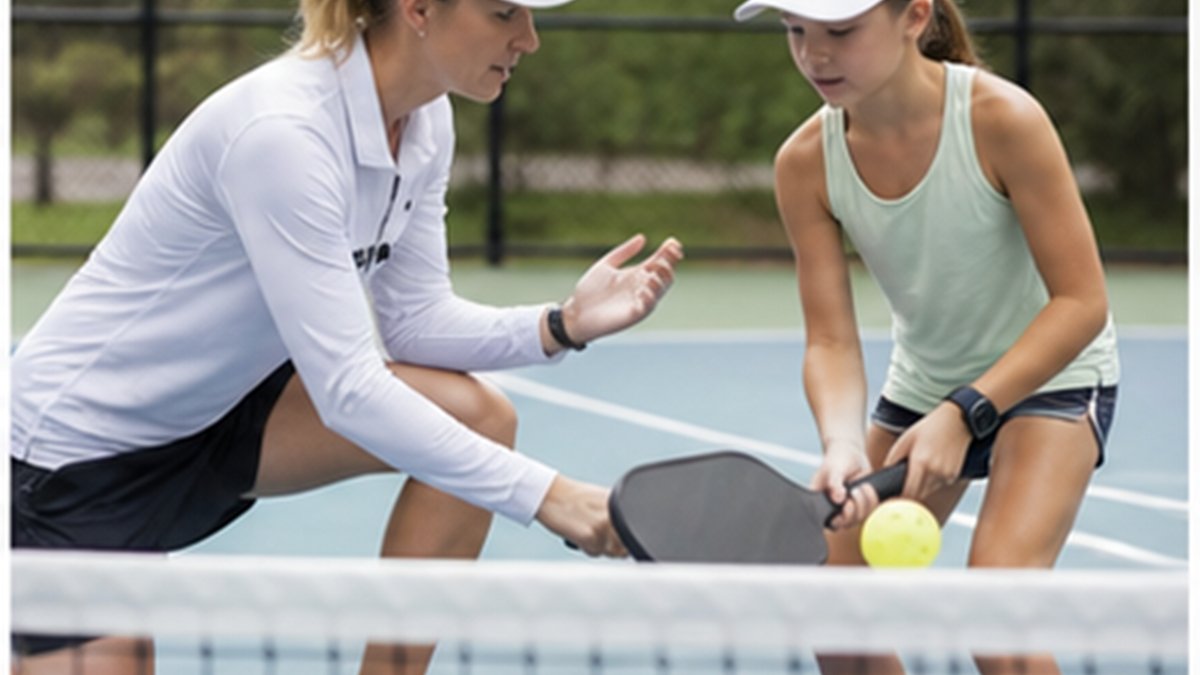
How to Teach Young Players to Win the Kitchen Line With Dinks
A coach-friendly progression for teaching youth pickleball players soft-game control at the kitchen line, instead of relying on power shots alone.
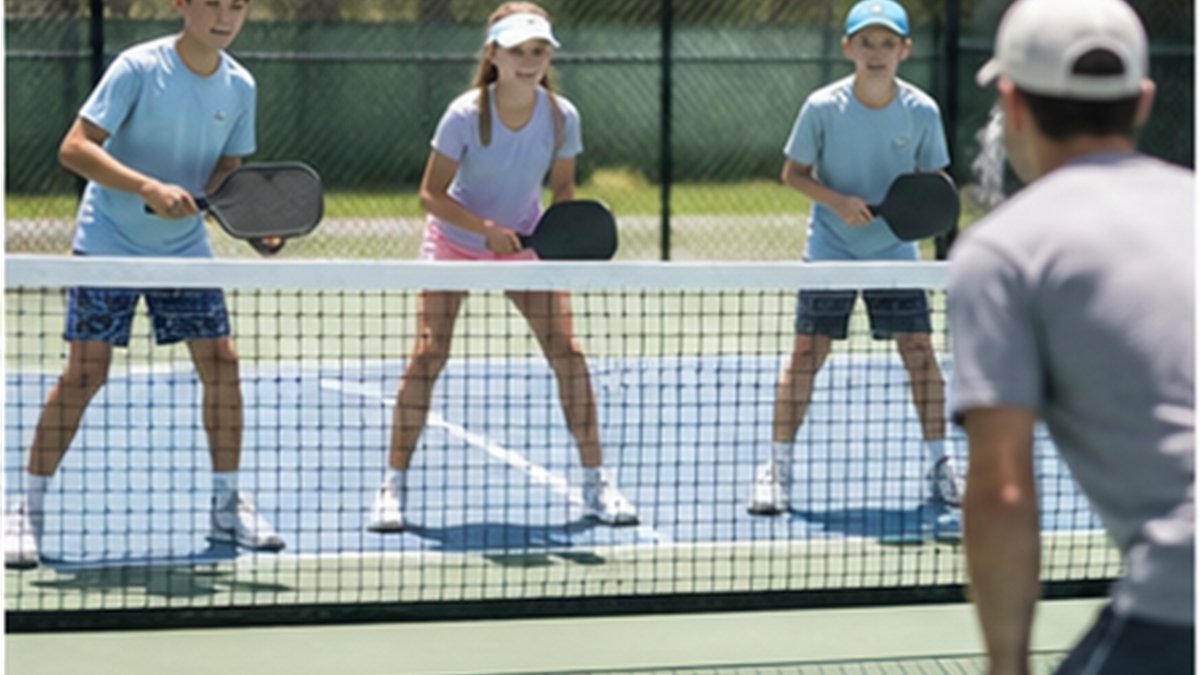
How to Teach Young Doubles Teams to Move Together at the Net
Drills and coaching cues that teach young pickleball doubles teams to move as a connected unit at the kitchen line instead of playing two separate singles games.
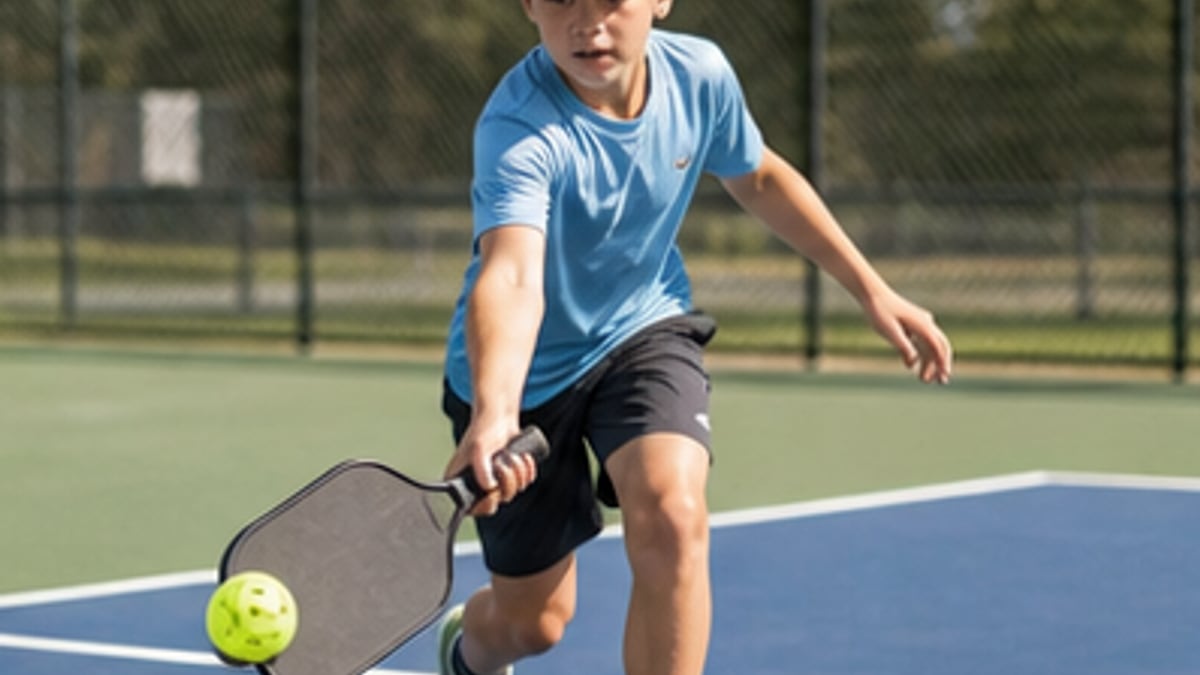
How to Track Pickleball Player Development Without Extra Spreadsheets
How youth pickleball coaches can track player growth, skill goals, feedback, and confidence without creating another spreadsheet routine.
About the author
SportX1 Editorial Team
Coach-reviewed guidance for youth sports learning, player development, team operations, and AI-supported coaching workflows.