

Quick summary
- Young players often default to power because it feels more satisfying than a soft, controlled dink.
- Teaching the kitchen line starts with patience drills before adding any competitive pressure.
- A player who can out-dink an opponent usually wins the point without ever needing a hard shot.
Power Feels Better. Control Wins More.
Definition
Dink: A soft, controlled shot hit from near the kitchen line, arcing just over the net to land in the opponent's kitchen, used to control the point instead of ending it with power.
Young players naturally gravitate toward hitting the ball hard, since it feels more like 'real' competing than a soft shot. But at the kitchen line, a well-placed dink usually wins more points than a hard shot that sails long or gets smashed back.
Teaching this takes patience, since it means asking players to resist the shot that feels most satisfying in the moment.
Start With Patience Drills, Not Points
Before adding any scoring or competition, players need reps that reward soft control without any pressure to win the exchange.
- Cooperative dinking: two players simply keep a dink rally going as long as possible, no scoring.
- Target dinks: players aim for a specific zone in the kitchen, building precision over pure power.
- Live points: dinking gets added into real points once control is consistent in the cooperative stage.
Spot When a Player Reverts to Power Under Pressure
Even players who've learned to dink well in a drill often revert to power once a real point is on the line. That's a normal part of learning, not a sign the skill wasn't taught well.
Coaches can help by naming the pattern out loud in the moment, so players start to notice it themselves over time.
- Point out when a player rushes a shot that didn't need power.
- Reward patience during dinking rallies, not just points won.
- Keep target dinking drills in the rotation even after players seem comfortable.
A dinking rally a player wins by patience teaches the lesson better than any amount of coaching about it afterward.
Connect Dinking to Real Match Strategy
Once players understand the mechanics of a dink, help them see why it matters strategically: it draws an opponent into the kitchen, sets up a weaker return, and creates the opening for a real attack.
This context helps the soft shot feel purposeful instead of just a slower version of hitting the ball.
Related SportX1 resources
Frequently asked questions
What age can players start learning to dink?
Most players can start basic dinking drills as soon as they're comfortable controlling the paddle face, often around age 8 to 10.
How do you keep young players motivated during patience drills?
Turn cooperative dinking into a simple challenge, like counting consecutive dinks as a team, so patience still feels like a game.
Should dinking replace power shots entirely?
No. The goal is a player who can choose the right shot for the moment, not one who avoids power shots altogether.
Build soft-game control into every lesson
Use SportX1 to plan dinking progressions and track how players balance control with power over a season.
Related articles
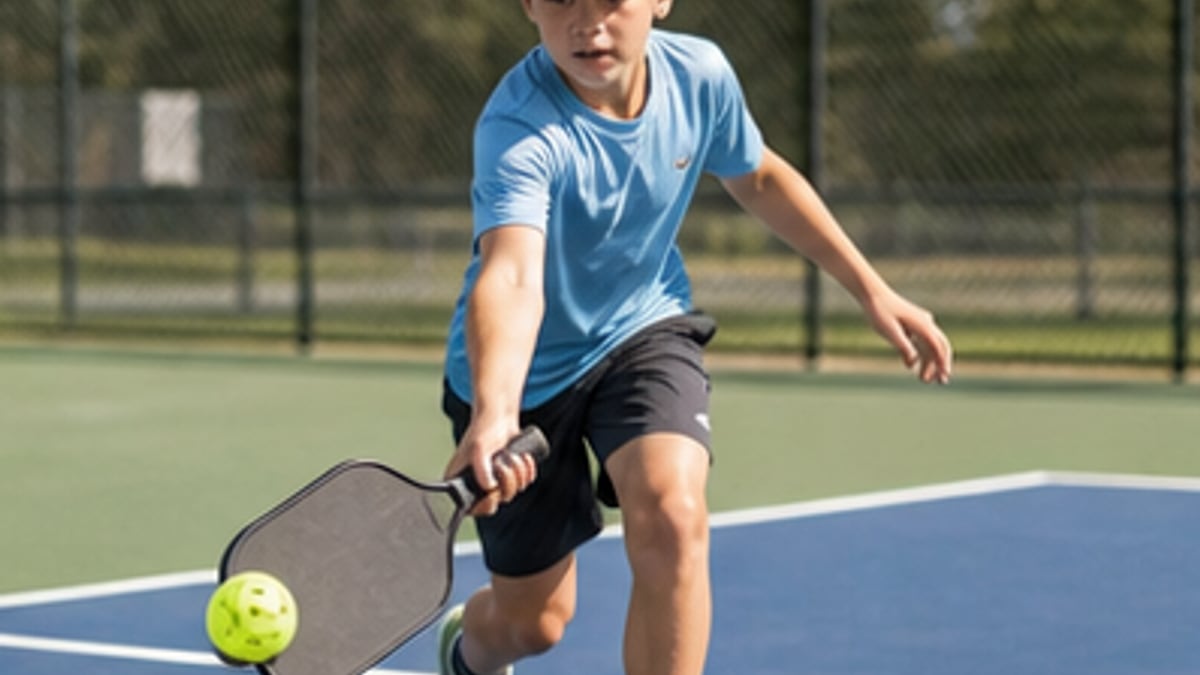
How to Track Pickleball Player Development Without Extra Spreadsheets
How youth pickleball coaches can track player growth, skill goals, feedback, and confidence without creating another spreadsheet routine.
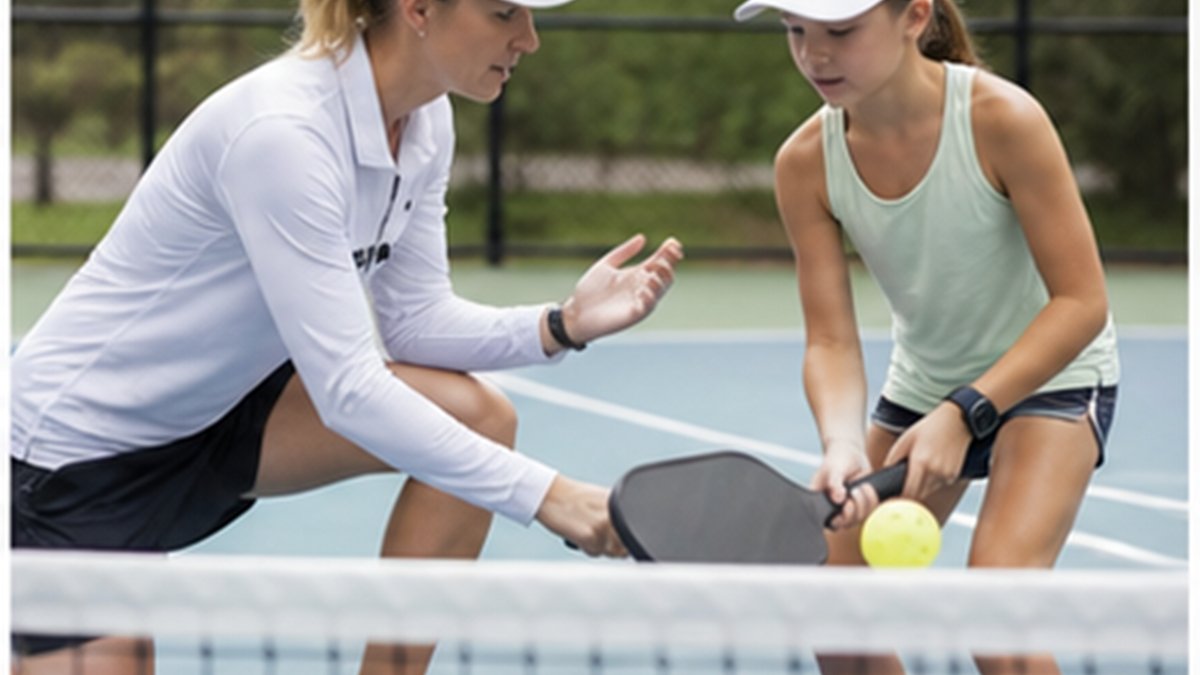
How to Create a Youth Pickleball Practice Plan Players Can Follow
A youth pickleball practice-planning framework coaches can use to build clearer sessions, save time, and keep players connected to one learning goal.
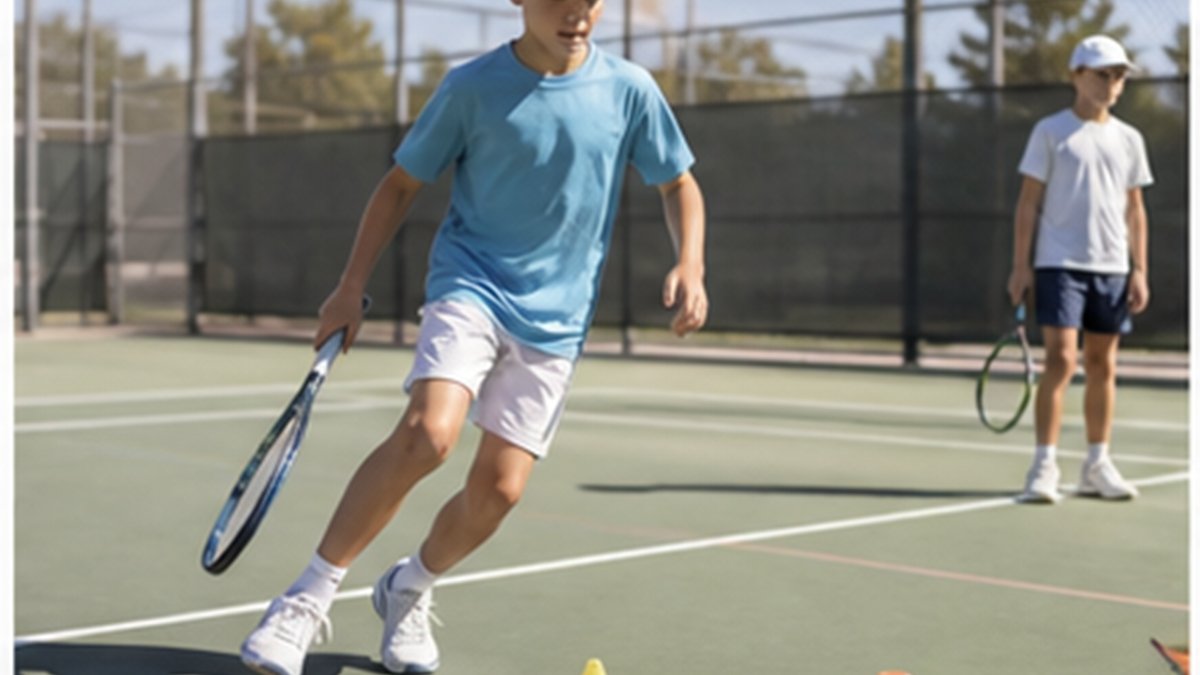
How to Teach the Split-Step So It Actually Becomes a Habit
A simple progression for teaching young tennis players the split-step, so recovery footwork becomes automatic instead of something they only do when reminded.
About the author
SportX1 Editorial Team
Coach-reviewed guidance for youth sports learning, player development, team operations, and AI-supported coaching workflows.