

Quick summary
- Most shot-selection mistakes trace back to a late or missed read of length, not poor bat swing.
- Teach players to sort deliveries into a few simple categories before adding shot options.
- Reward good decisions, not just good outcomes, when reviewing a net session.
The Shot Is the Last Step, Not the First
Definition
Reading length: Judging how far down the pitch a ball will bounce, early enough to decide whether to go forward, back, or leave it, before the shot itself begins.
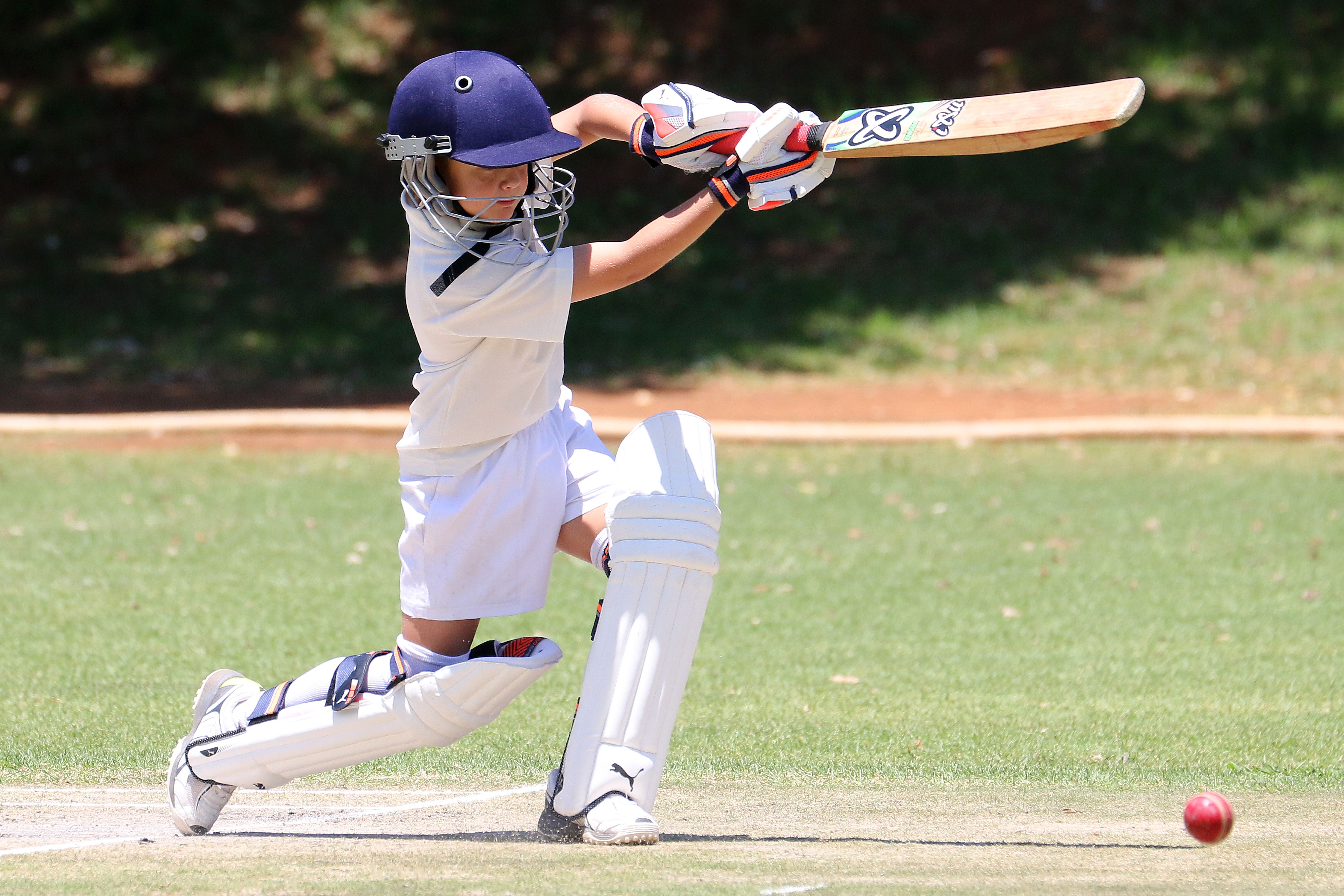
Young batters often think about shot selection as choosing between a drive, a cut, or a pull. But the real decision happens earlier: reading whether the ball is full, short, or somewhere in between.
A player who reads length late will always be rushed into a shot, no matter how good their technique looks in isolation.
Start With Three Simple Length Categories
Trying to teach precise shot selection for every possible length overwhelms a young player. Three broad categories give them a usable decision framework without overcomplicating it.
- Full: step forward and play the ball as close to the pitch of the delivery as possible.
- Good length: play late and straight, prioritizing defense or a controlled push.
- Short: get back and either play off the back foot or leave it if it's not threatening the stumps.
Practice the Decision, Not Just the Shot
A drill where every ball is the same length only rehearses the shot, not the read. Mixing lengths in practice, even randomly, forces the decision-making the drill is supposed to build.
Coaches can reinforce this by asking players to call out the length out loud before playing the shot during a portion of practice.
- Mix full, good-length, and short deliveries within the same net session.
- Ask players to call the length before they commit to a shot.
- Praise the read, not just the result, when a shot doesn't come off.
A player who calls the length correctly but plays an imperfect shot is closer to good decision-making than one who plays a clean shot to the wrong length.
Review Decisions, Not Just Outcomes, After Practice
A shot that scores runs because of a poor read got lucky. A shot that reads the length correctly but produces no runs was still the right decision. Reviewing practice with this distinction in mind teaches players to trust the process over the immediate result.
This kind of review also gives coaches a clearer picture of which players are making good decisions but need technical polish, versus which players need to work on the read itself.
Related SportX1 resources
Frequently asked questions
What age can players start learning shot selection?
Basic length recognition can start around age 9 or 10, once a player has a reasonably consistent stance and can already track the ball reliably.
Should young players be discouraged from playing attacking shots?
No. The goal isn't fewer attacking shots, it's attacking shots played to the right ball instead of every ball.
How do you practice shot selection without a live bowler?
A coach or bowling machine delivering a genuinely mixed set of lengths works well, as long as the player doesn't know what's coming next.
Turn shot selection into a season-long goal
Use SportX1 to track how players are developing their decision-making at the crease, not just their technique.
Related articles

Teaching a Balanced Batting Stance Young Cricketers Can Trust
A simple approach to teaching young cricketers a balanced, repeatable batting stance and ready position that holds up against real bowling.
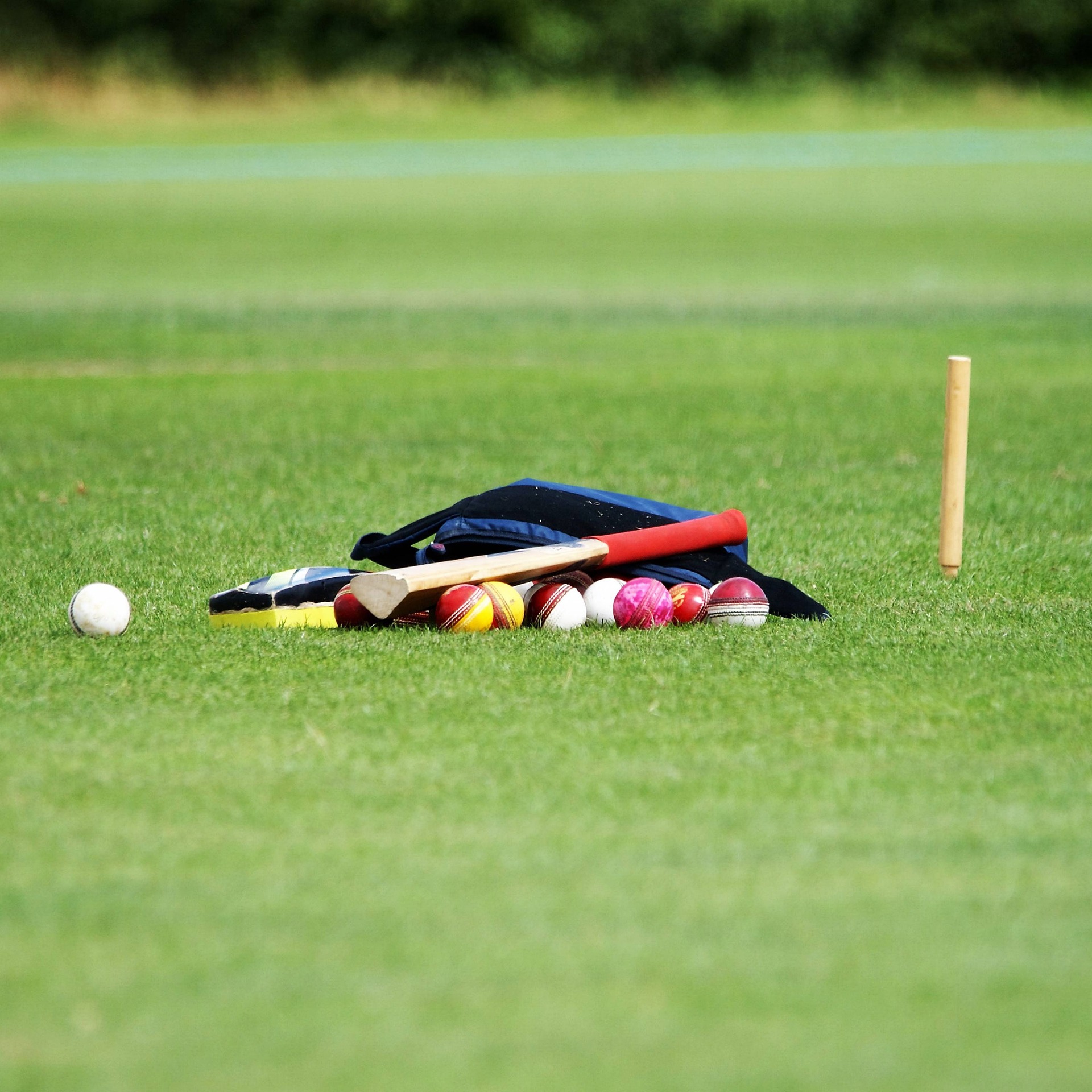
Teaching Line and Length: Bowling Fundamentals for Youth Cricket
A simple approach to teaching young cricket bowlers consistent line and length before adding pace, spin, or variations.
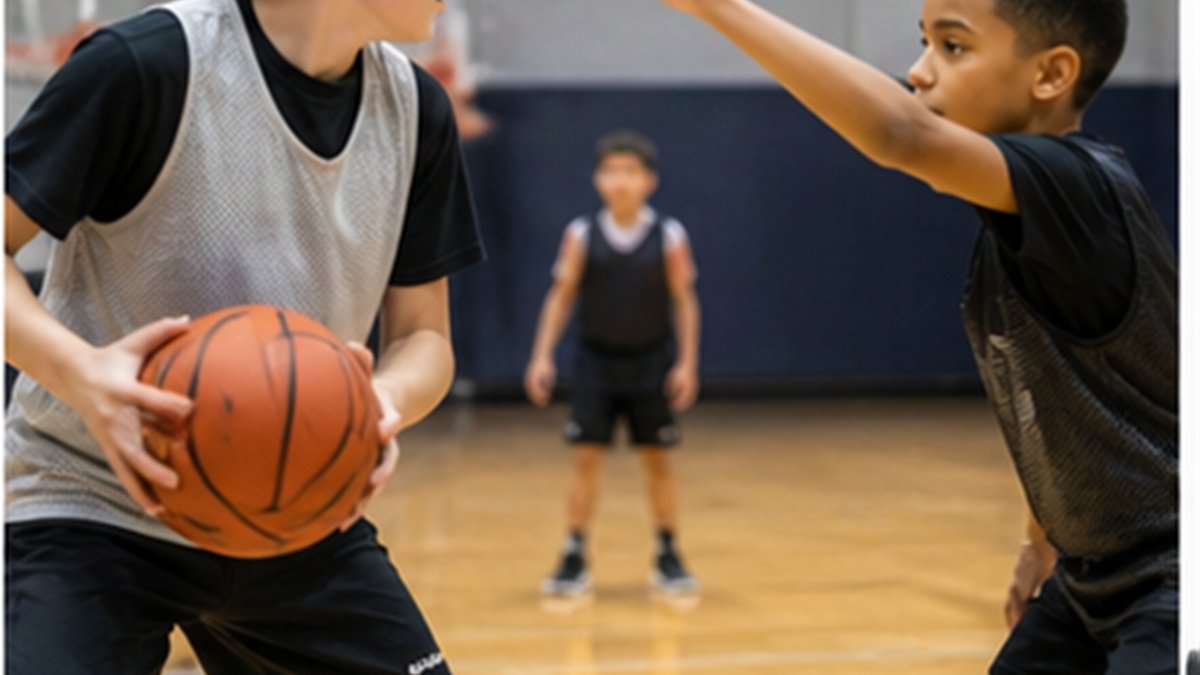
How to Help Players Read Pressure Before They React
A cross-sport approach to developing decision-making: teaching young athletes to recognize pressure early instead of reacting to it after the fact.

About the author
SportX1 Editorial Team
Coach-reviewed guidance for youth sports learning, player development, team operations, and AI-supported coaching workflows.