


Quick summary
- Consistency in line and length matters more for young bowlers than raw pace.
- A repeatable run-up and release point is the foundation everything else builds on.
- Use a simple target system so players get clear, immediate feedback on accuracy.
Consistency Matters More Than Pace
Definition
Line and length: Line is where the ball is directed left-to-right relative to the stumps; length is how far down the pitch it bounces. Together they determine whether a delivery is genuinely threatening.
Young bowlers, like young batters, often chase the most exciting part of the skill first: bowling as fast as possible. But a fast ball bowled to a poor line and length is far easier to score off than a slower ball bowled consistently on target.
Line and length should be the first thing a coach teaches, well before pace, swing, or spin variations enter the conversation.
Build a Repeatable Run-Up and Release
Inconsistent line and length is usually a symptom of an inconsistent run-up or release point, not a lack of skill in aiming. Fixing the action first makes the accuracy work far more effective.
- Shorten the run-up to a consistent, comfortable length the player can repeat without thinking about it.
- Mark the release point with a cone or line, and check the player is landing on the same spot rep after rep.
- Add the full run-up back gradually, only once the shortened version is consistent.
Use Simple Targets for Immediate Feedback
Bowling at a batter with no other feedback makes it hard for a young player to know whether their line and length were actually good. A visible target changes that.
Simple targets, like a cone on a good length or a taped zone on the pitch, give players something concrete to aim for and immediate feedback on whether they hit it.
- Place a cone or marker on a good-length target zone.
- Track hits over a set number of deliveries to make progress visible.
- Move the target only once a player is consistently accurate, not before.
A bowler who can consistently hit a target zone in practice, with no batter present, is more likely to hold that accuracy once the pressure of a real delivery is added.
Add Variations Only Once the Foundation Holds
Once a young bowler can consistently hit a target with their stock delivery, that's the right time to introduce variations like a slower ball or basic swing. Introducing variations too early usually comes at the cost of the consistency that took so long to build.
Keep track of which players have earned the right to start experimenting, and which are still building the foundation. Not every player needs to be at the same stage at the same time.
Related SportX1 resources
Frequently asked questions
What age should young players start focused line and length work?
Most players can start basic target-based accuracy work around age 9 or 10, once their action is safe and reasonably repeatable.
Should coaches prioritize pace or accuracy for young bowlers?
Accuracy first. Pace naturally develops as players grow and strengthen; accuracy has to be built deliberately.
How much bowling should a young player do in one session?
Keep an eye on total deliveries and build in rest, similar to a pitch-count approach in baseball, to protect a young bowler's arm and back over a season.
Track bowling accuracy across the season
Use SportX1 to plan target-based bowling drills and track which players are building consistent line and length.
Related articles
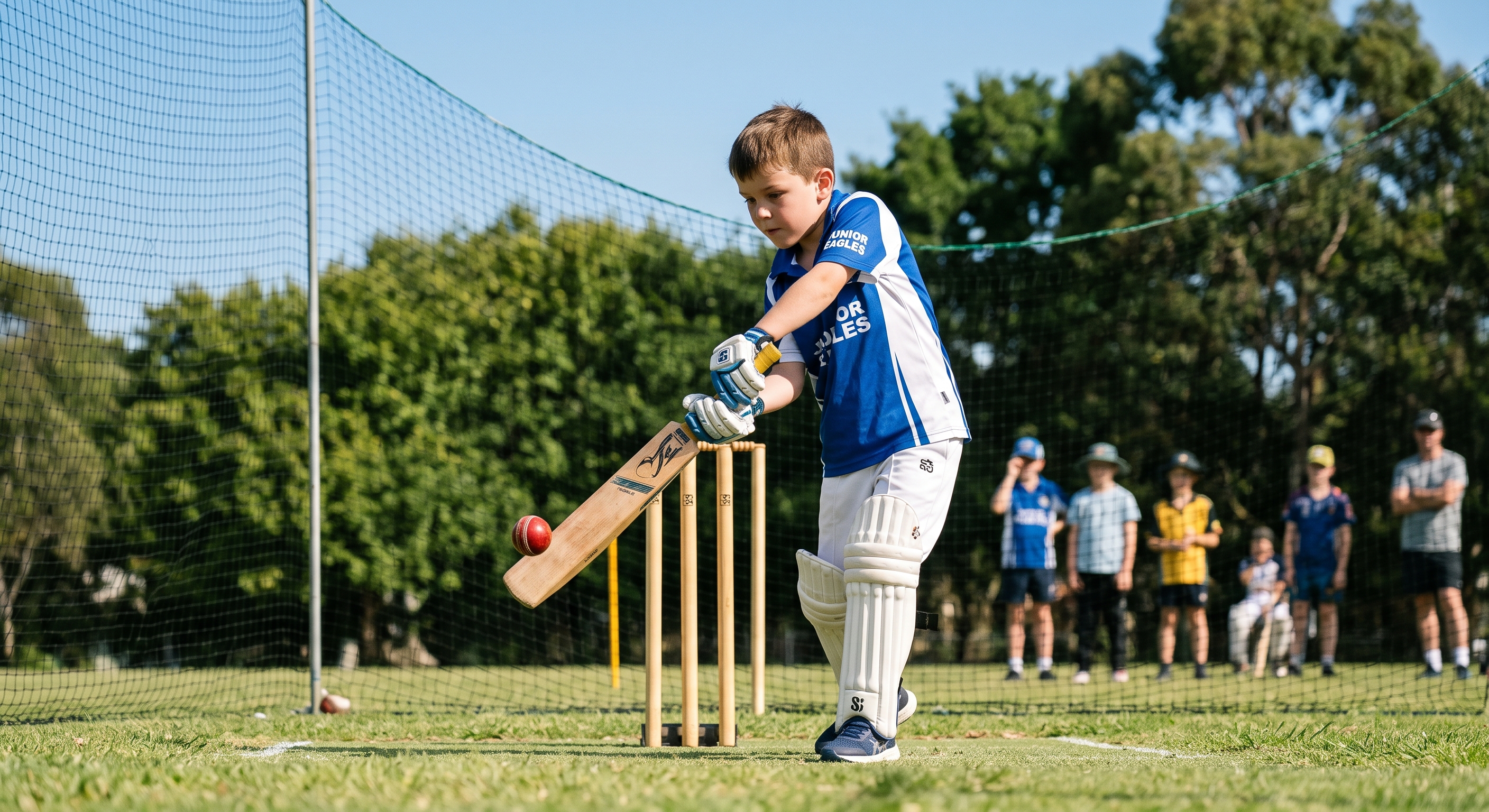
How to Structure a Youth Cricket Net Session So Every Player Gets Quality Reps
A practical way to structure youth cricket net sessions so players rotate through batting, bowling, and fielding without long stretches of standing around.
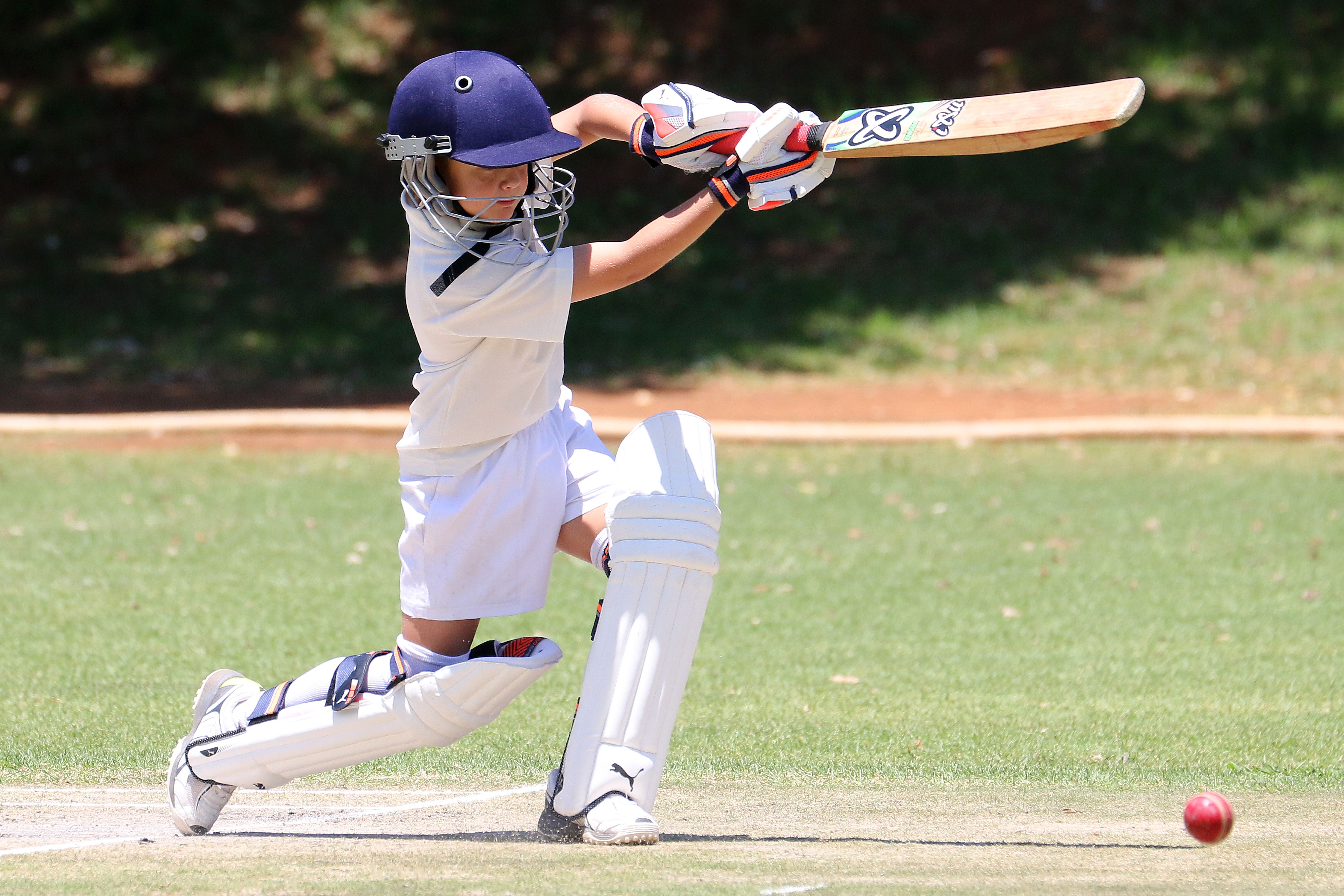
Teaching Young Batters to Choose the Right Shot for the Ball
A coaching approach for teaching young cricketers to read length and line before committing to a shot, instead of playing the same shot regardless of the ball.

A Practical Pitch Count and Rest-Day Plan for Youth Baseball Coaches
A simple pitch count and rest-day plan youth coaches can follow all season, including guidance for players who pitch and catch in the same week.
About the author
SportX1 Editorial Team
Coach-reviewed guidance for youth sports learning, player development, team operations, and AI-supported coaching workflows.