

Quick summary
- The biggest structural problem in youth cricket practice is usually standing-around time, not a lack of drills.
- A station-based rotation keeps every player engaged, not just the one currently batting.
- Keep rotations short and predictable so players know what's coming next.
The Real Problem Is Standing Around, Not a Lack of Drills
Definition
Net rotation: A structured cycle through batting, bowling, and fielding stations, designed so no player spends long stretches waiting with nothing to do.
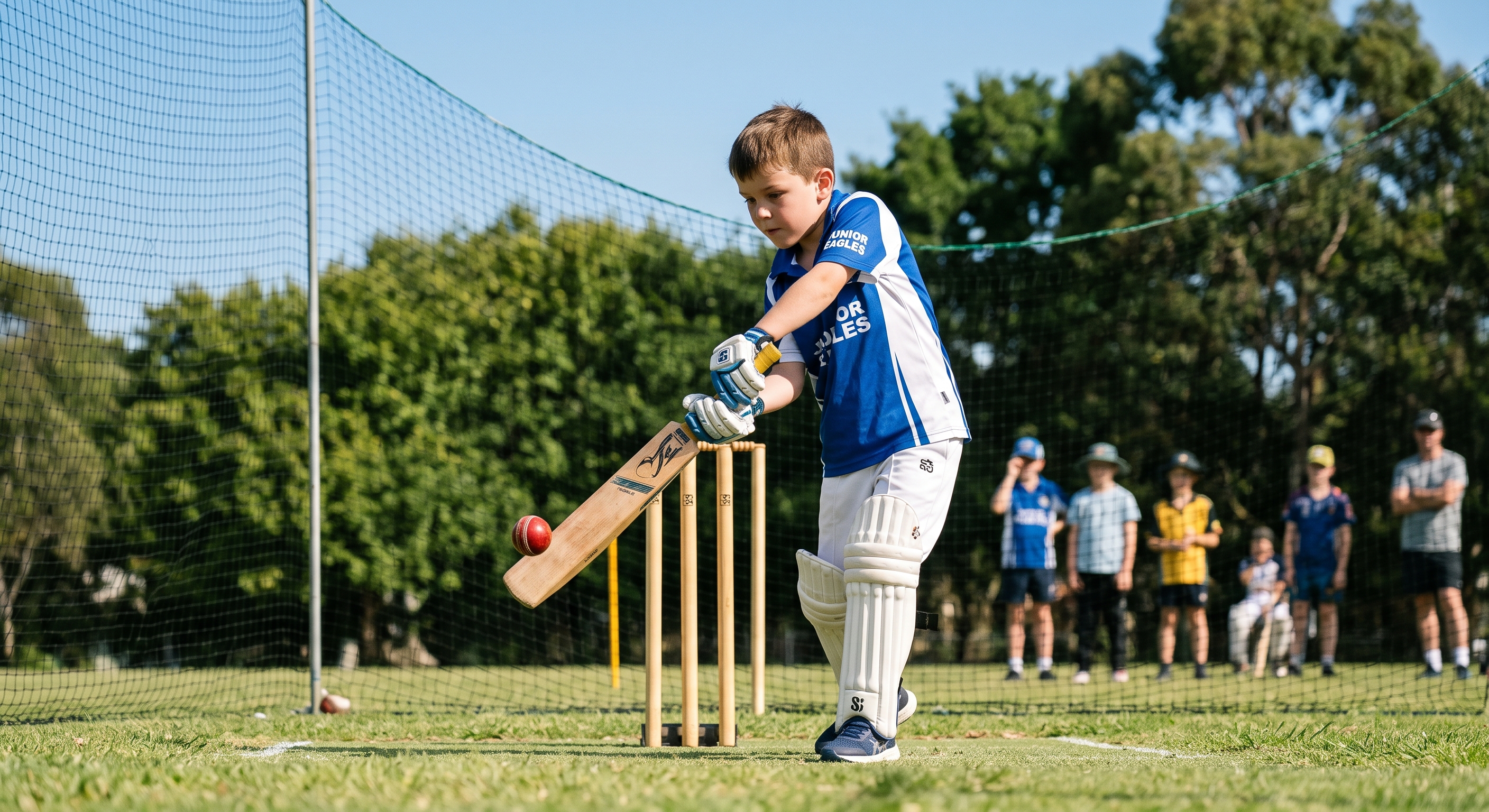
Cricket practice has a structural challenge most sports don't face in the same way: only one player can bat in a net at a time. Without a plan, that means a lot of standing around for everyone else.
A good net session isn't the one with the fanciest drills. It's the one where every player gets meaningful reps, not just the two or three at the front of the line.
Use a Station-Based Rotation
Splitting the group into small stations, each with its own focus, keeps players moving and working instead of waiting in one long batting line.
- Split the group into 3-4 small stations: a batting net, a bowling target station, a fielding/catching station, and a fitness or skills station if numbers allow.
- Rotate every 8-10 minutes on a set signal, so players always know when the next rotation is coming.
- Keep a coach or senior player at the batting net specifically, since that's where feedback matters most.
| Station | Focus | Time |
|---|---|---|
| Batting net | Stance, shot selection, live reps | 10 min per group |
| Bowling targets | Line and length into a target zone | 10 min per group |
| Fielding/catching | Ground fielding and catching reps | 10 min per group |
| Game-based finish | Small-sided game combining all three skills | 15-20 min |
Keep Rotations Short and Predictable
Long, unpredictable rotations lose young players' attention fast. A short, consistent rotation length, signaled the same way every time, keeps the session moving without needing constant explanation.
This also makes it easier for a smaller coaching staff to run a multi-station practice, since players learn the rhythm after a session or two and need less direction over time.
- Use the same signal (whistle, timer, call) every session to move stations.
- Keep each rotation short enough that a distracted player doesn't fully check out.
- End with a combined game so the separate stations connect to something game-like.
If a coach has to explain the rotation every single practice, the rotation is either too complicated or too long.
Adjust the Rotation for Your Team's Size and Space
A team with two nets and 20 players needs a different rotation than a team with one net and eight players. The station-based approach still works at almost any scale; it just needs the number of stations and group sizes adjusted.
Smaller squads can run fewer, longer stations. Larger squads benefit from more, shorter stations to keep group sizes manageable.
Related SportX1 resources
Frequently asked questions
How many players should be in each rotation group?
Groups of 3 to 5 usually work well. Smaller groups mean more reps per player; larger groups need shorter individual turns to keep everyone involved.
What if we only have access to one net?
Run the other stations (fielding, bowling targets, fitness) away from the net and rotate a smaller group through batting more frequently.
How long should a full rotation cycle take?
Most youth sessions work well with rotations that bring every player back to the batting net at least once within 60 to 75 minutes.
Plan net rotations your whole staff can follow
Use SportX1 to build station-based practice plans and keep every coach on the same rotation schedule.
Related articles
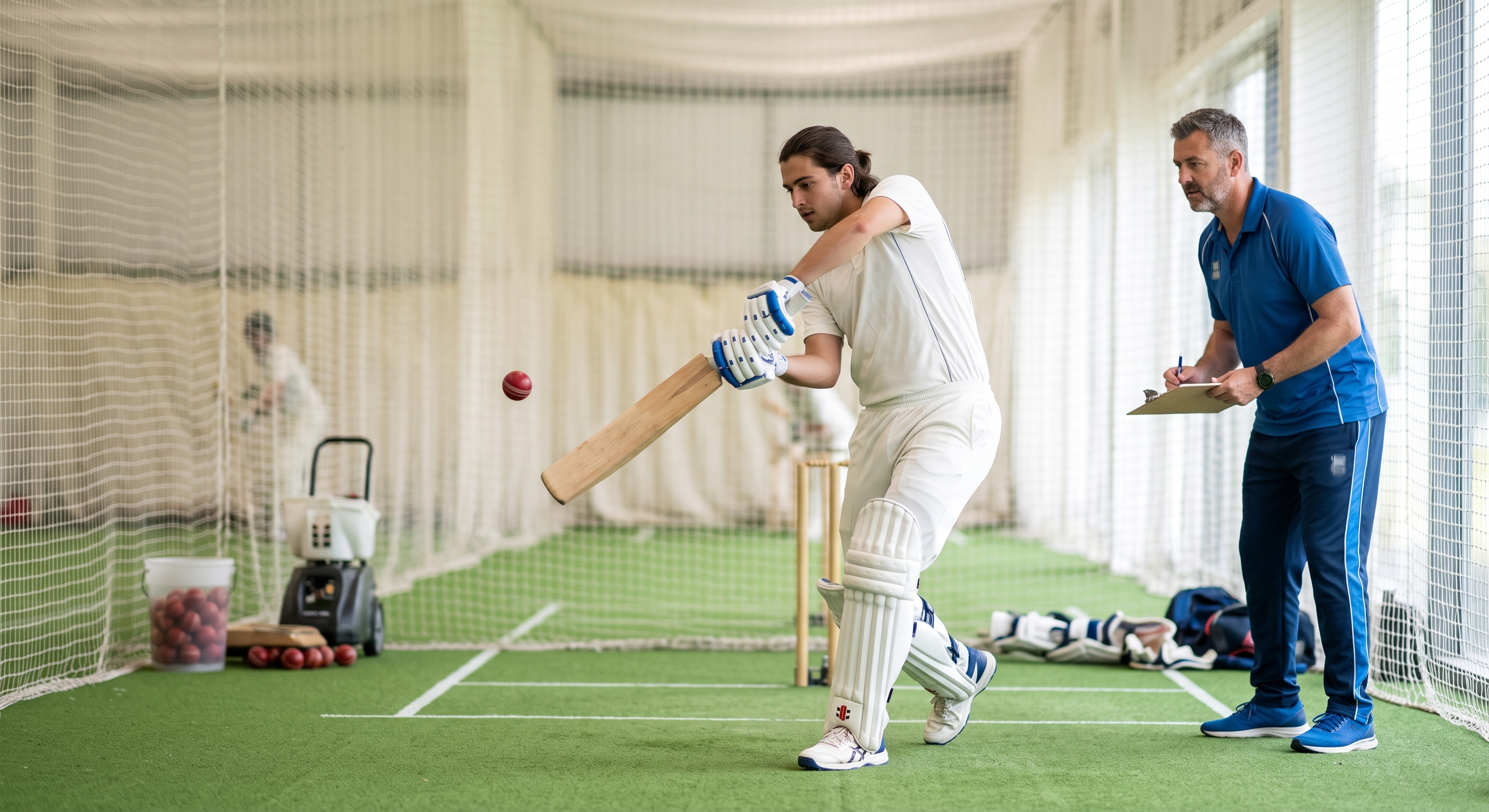
How to Give Young Batters Feedback They Can Actually Use in the Nets
A practical approach for youth cricket coaches to give batting feedback that's specific, well-timed, and short enough for players to apply on the next ball.

How to Structure a Youth Practice Plan Players Can Actually Follow
A practical practice-plan framework for youth coaches: one theme, four blocks, short instructions, and a five-minute review players remember.
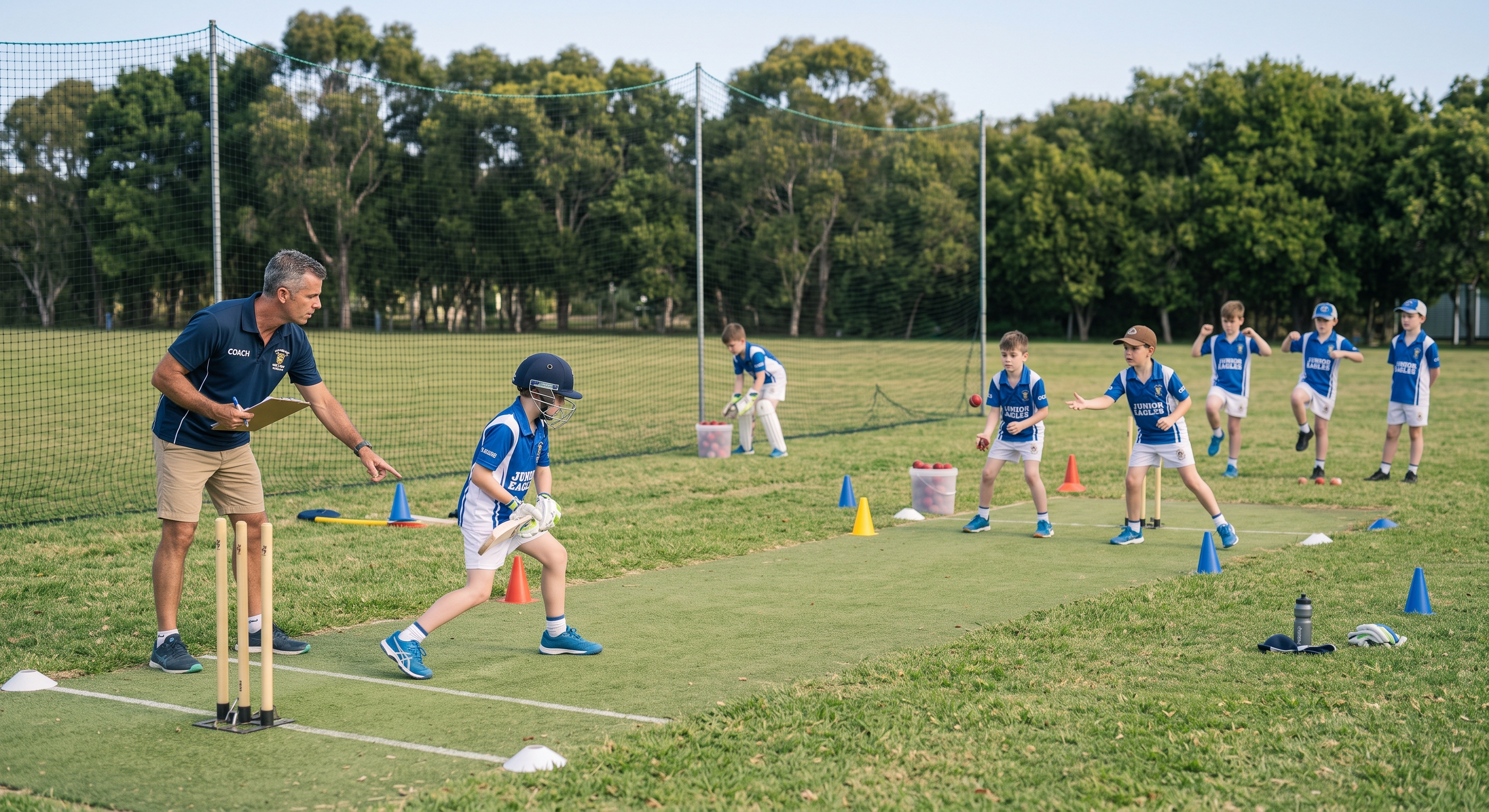
How to Create a Youth Cricket Practice Plan Players Can Follow
A youth cricket practice-planning framework coaches can use to build clearer sessions, save time, and keep players connected to one learning goal.

About the author
SportX1 Editorial Team
Coach-reviewed guidance for youth sports learning, player development, team operations, and AI-supported coaching workflows.