
Quick summary
- Most decision-making mistakes happen because a player noticed the pressure too late, not because they made the wrong choice.
- Teach players to scan for pressure before they're in possession, not only after.
- Use small constraints in practice games to reward players for reading pressure early.
Most Mistakes Are Late Recognition, Not Bad Decisions
Definition
Reading pressure: Recognizing where defensive pressure is coming from before or as a play develops, instead of noticing it only once the ball has already arrived.
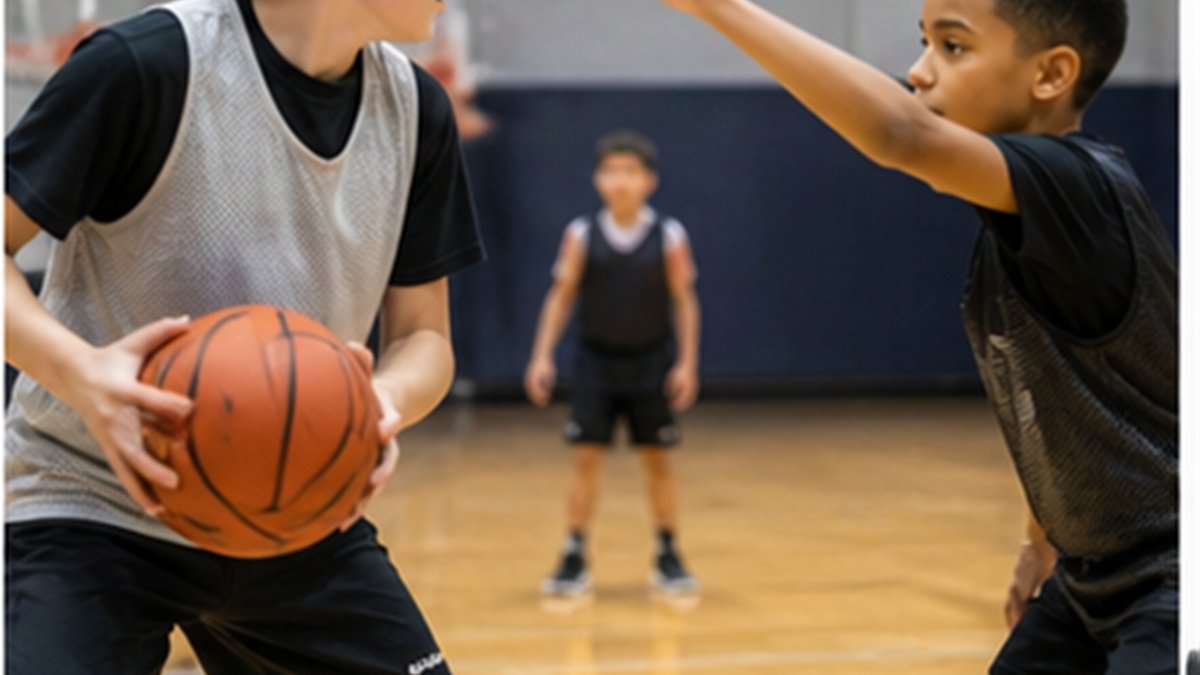
When a young athlete makes a rushed pass, an early shot, or a turnover under pressure, it's tempting to coach the decision itself. Often the real issue happened earlier: the player didn't notice the pressure until it was already on top of them.
This distinction matters because it changes what a coach should actually correct. The fix usually isn't 'make a better choice.' It's 'look sooner.'
Build the Habit in Layers
Like any habit, reading pressure early develops faster with a simple progression than with a single complicated drill. Start with no consequence for missing the read, then slowly add one.
- No-pressure rep: players call out where pressure would come from before catching or receiving.
- Delayed pressure: a defender approaches a beat after the ball arrives, so players get one extra look.
- Live pressure: full-speed reps where the reward goes to players who act before the defender closes.
Reward Early Recognition, Not Just the Outcome
It's easy to only praise the result: a good pass, a made shot, a clean transition. But if a player got lucky without ever reading the pressure, that outcome won't repeat under real match conditions.
Coaches can reinforce the habit itself by naming it out loud when they see it, even if the play that follows isn't perfect.
- Call out when a player scans or checks before pressure arrives.
- Separate the read from the result when giving feedback.
- Ask players what they saw, not just what they did with the ball.
This Skill Transfers Across Positions and Sports
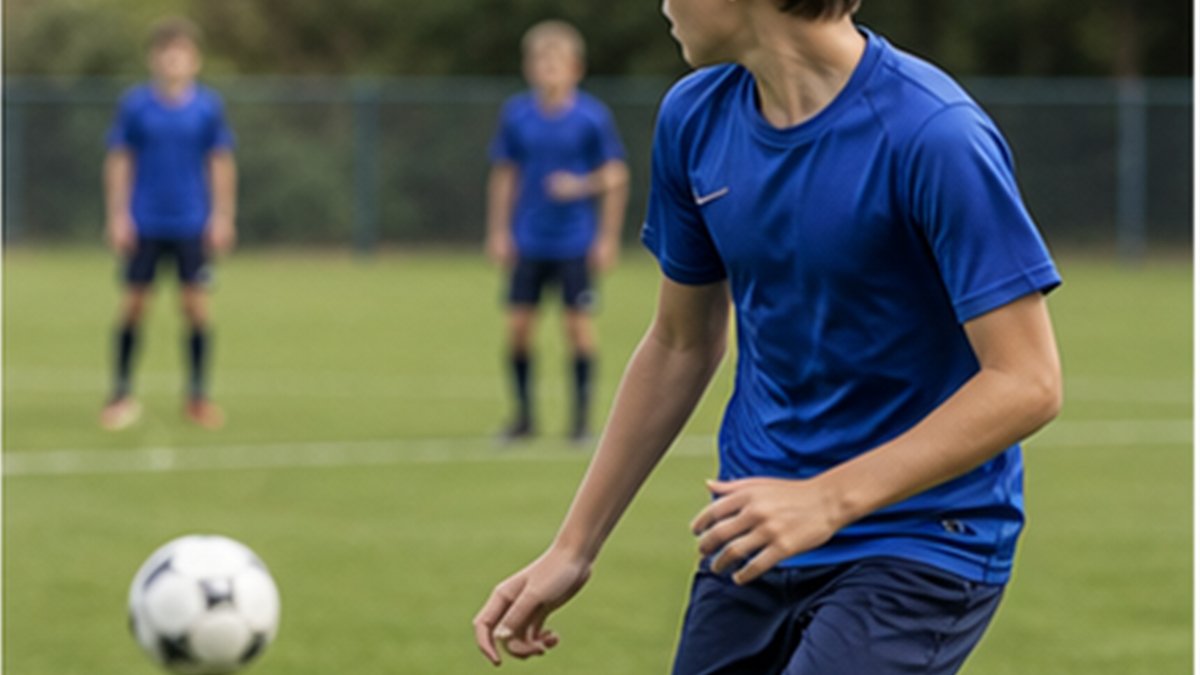
Reading pressure early isn't unique to one sport or one position. A soccer midfielder checking over their shoulder, a basketball guard sensing a trap, and a hockey forward spotting a pinching defender are all using the same underlying skill.
Coaches working with multi-sport athletes can use the same language across seasons, which makes the habit easier for players to carry from one sport to the next.
A player who learns to read pressure early in one sport usually recognizes it faster in the next one too.
Related SportX1 resources
Frequently asked questions
What age should coaches start teaching this?
Most players can start with simple 'look before you receive' cues around ages 8 to 10, with more complex pressure reads added as they get older.
How is this different from a scanning drill?
Scanning is one specific technique for reading pressure. This is the broader development goal that scanning, along with other cues, is meant to build over a season.
Can this be taught without live defenders?
Yes, early stages work well with no-pressure or delayed-pressure reps. Live pressure should come once the habit is already forming.
Turn decision-making reads into a season-long goal
Use SportX1 to track how players are developing their read-before-you-react habits across practices and games.
Related articles

How to Teach Scanning Before Receiving the Ball
A simple soccer progression for helping young players check space, receive with a plan, and make the next pass sooner.
Basketball Drills That Teach Players When to Pass
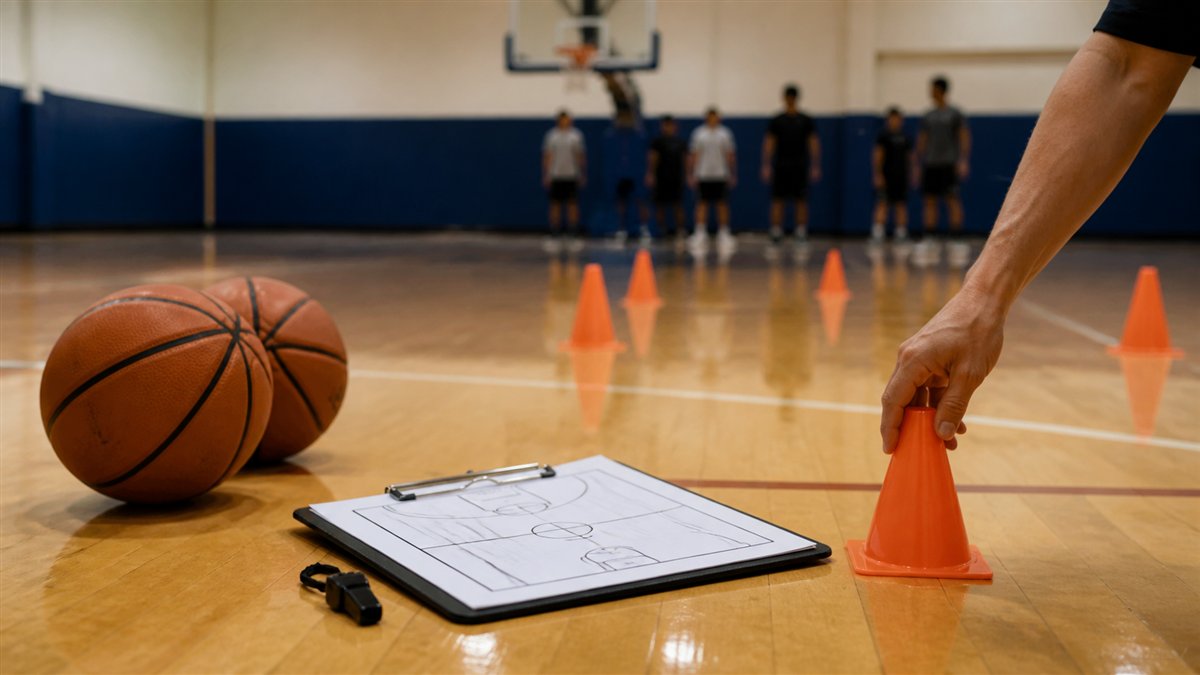
Three basketball drill formats that teach young players to read help defense, move the ball, and make decisions without freezing.
How to Set Player Development Goals for a Youth Team
A simple way to set player development goals that are specific, visible in practice, and easy for players to remember.
About the author
SportX1 Editorial Team
Coach-reviewed guidance for youth sports learning, player development, team operations, and AI-supported coaching workflows.