


Quick summary
- Volleyball depends on constant verbal communication because the net and the speed of play limit how much players can see.
- A short list of specific calls, like mine, out, and switch, works better than a general instruction to talk more.
- How a team responds to a teammate's error determines whether communication keeps flowing or goes quiet under pressure.
Why Volleyball Depends on Constant Communication
Definition
Court communication: The ongoing verbal calls players make during a rally - claiming the ball, calling it out, switching assignments - that let six players move as one team without seeing every teammate at once.
Volleyball is unusual among team sports in how much it depends on players talking through a play while it's happening. A rally moves too fast for eye contact alone, and the net blocks a clear view of teammates on defense.
Without communication, teams default to hesitation - two players going for the same ball, or nobody going for it at all. Building the habit of talking early keeps a young team from losing points to confusion rather than skill.
Teach the Specific Calls, Not Just "Talk More"
Telling a young team to communicate more rarely changes anything on its own. Players need a short list of specific words tied to specific moments, practiced until they're automatic.
Keep the list short enough to actually stick. A handful of calls, used consistently, beats a long list nobody remembers under pressure.
- "Mine" or "got it" - called early and loud, the moment a player commits to the ball
- "Ball" or "out" - called immediately when a ball is clearly going past the line
- "Switch" - called when players cross paths on defense or after a block
- "Help" - called by a passer who is out of position and needs a teammate to cover
Communication Looks Different on Offense and After a Mistake
Most coaching on communication focuses only on calling the ball, but what a team says right after a mistake matters just as much for keeping the calls coming.
Both moments are worth practicing on purpose, since neither tends to happen naturally in a young team without repetition.
Calling the Ball Before Contact
Every touch should be claimed before it happens, not after. A player who calls "mine" while moving toward the ball gives teammates time to clear out or get ready to cover, instead of guessing in the split second before contact.
- Call early, while still moving toward the ball
- Call loud enough to be heard over the crowd or other courts
- Call it even in practice, so it's automatic in games
Responding to a Teammate's Error
What a team says right after a mistake shapes whether players keep communicating or go quiet. A short, specific, positive response - like "next one" or "good try" - keeps the next call coming instead of teaching players that speaking up invites blame.
- Respond within a few seconds of the error, before frustration sets in
- Keep the response specific to the play, not a generic phrase
- Have the whole team respond, not just the closest player
Make Positive Communication Part of the Team Culture
Coaches set the tone here more than any drill can. A coach who reacts to an error with frustration teaches players that mistakes should be hidden, which is the opposite of what a communicating team needs.
Culture shows up fastest in warmups and scrimmages, not just games. If calls go quiet in low-stakes practice reps, they'll disappear even faster when a match gets tense.
A team that stays loud after a mistake is communicating well. A team that goes silent after an error is usually afraid of being blamed for the next one.
Related SportX1 resources
Frequently asked questions
What age should a team start learning specific communication calls?
Most youth teams can start with two or three basic calls, like "mine" and "out," as early as age 8 to 10, adding more as the team's skill level grows.
What if some players are naturally quiet on the court?
Start with calls tied to a specific role rather than general chatter, like requiring the passer to call "mine," so quieter players have a clear, small responsibility rather than an open-ended expectation to be loud.
Does a youth team need to be as loud as a high-level program?
Not necessarily at the same volume, but the calls need to be clear and consistent. Volume usually grows naturally once the habit of calling the ball is already in place.
Build communication habits your team keeps all season
Use SportX1 to reinforce team culture routines and keep positive communication habits consistent from practice to match day.
Related articles
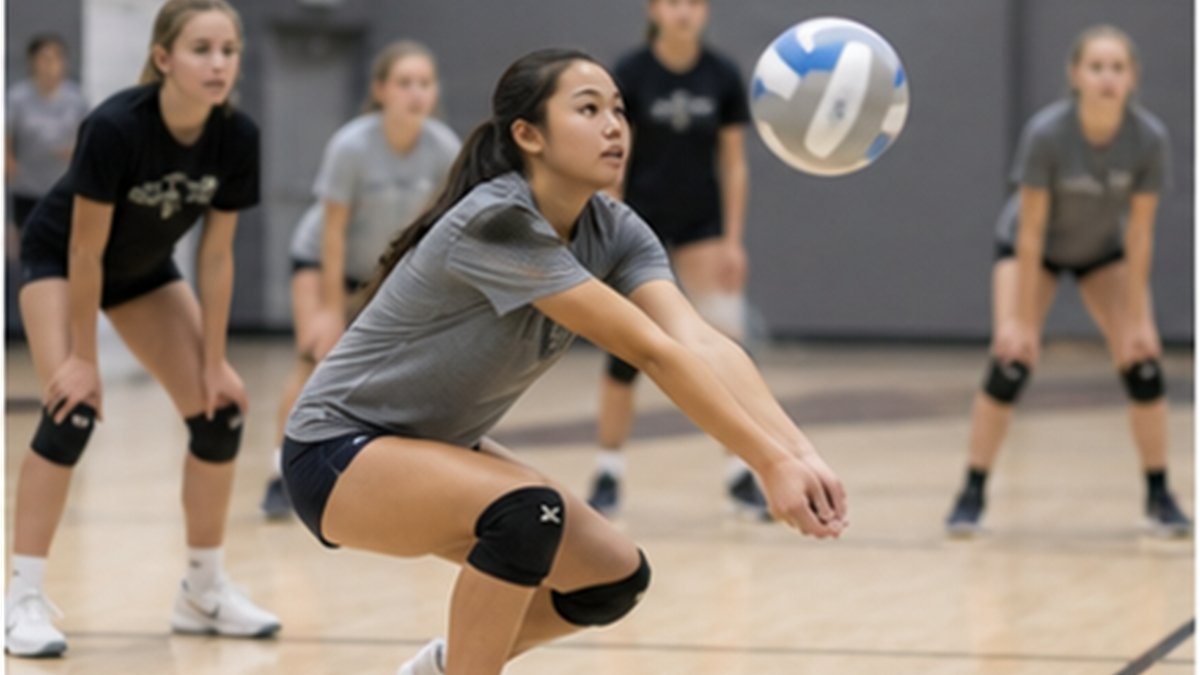
How to Teach a Passing Platform Young Players Can Repeat Under Pressure
A step-by-step way to teach youth volleyball players a consistent passing platform, so serve receive holds up once the pressure of a real game arrives.
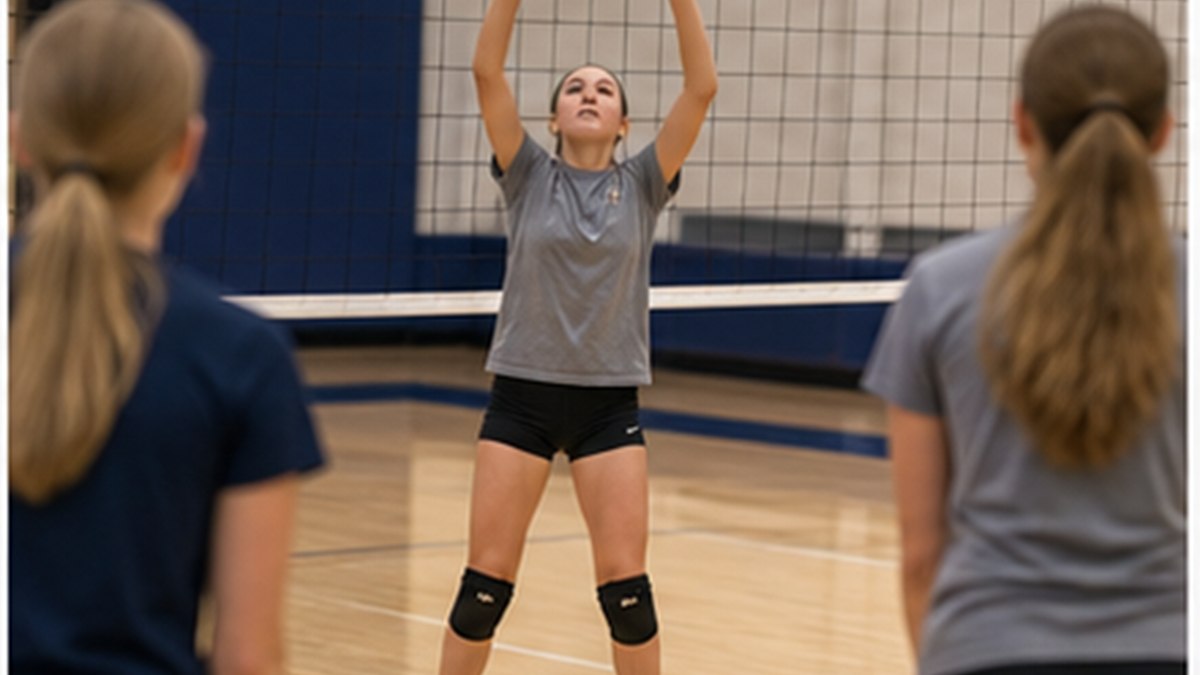
Teaching Young Setters to Read the Block Before They Decide Where to Set
A practical progression for teaching young setters to read the block before they decide where to send the ball, instead of defaulting to the same hitter every time.

Weekly Player Check-Ins That Build Confidence, Not Pressure
A short, repeatable check-in routine youth coaches can use to build player confidence through specific wins instead of generic encouragement.

About the author
SportX1 Editorial Team
Coach-reviewed guidance for youth sports learning, player development, team operations, and AI-supported coaching workflows.