

Quick summary
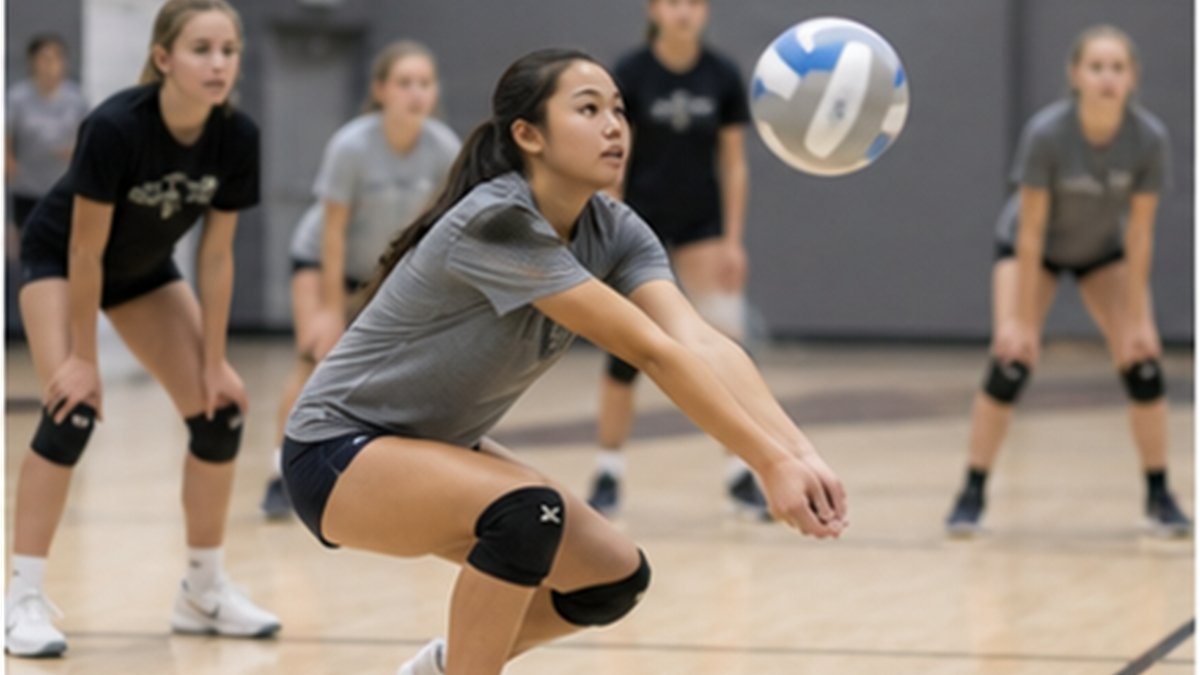
- A passing platform is a body position, not just an arm shape, and both parts need to be taught together.
- Teach the platform without a ball first, then add easy tosses before live serves.
- Most passing breakdowns under pressure trace back to footwork, not arm technique.
A Platform Is a Body Position, Not Just an Arm Shape
Definition
Passing platform: The flat, stable surface a player creates with their forearms and body position to direct a served or hit ball to a target.
Coaches often focus entirely on arm position when teaching passing, but a flat platform built on top of poor footwork or a high center of gravity still won't control the ball well.
Teaching the platform means teaching the whole shape: feet set, knees bent, and arms flat, together, not as separate pieces.
Progress From No Ball to Live Serve
Passing technique is easiest to correct before speed and pressure get involved. Build the shape first, then slowly add the challenge of an actual ball arriving.
- Shape check: player builds the platform position with no ball, coach checks feet, knees, and arm angle.
- Easy tosses: a coach tosses gently so the player can focus on footwork to the ball, not reacting to speed.
- Live serves: full-speed serve receive once the shape holds up consistently at the easier stages.
Most Breakdowns Trace Back to Footwork, Not Arms
When a pass sails off target, the instinct is to correct the arm swing. Often the real issue is that the player didn't move their feet to get their body behind the ball in time.
Watching a player's feet, not just their arms, usually reveals the actual fix needed.
- Watch the feet first when a pass goes off target.
- Cue players to move to the ball, not reach for it.
- Keep the platform low and stable rather than swinging at contact.
A flat platform pointed at the wrong angle because the feet never got there in time will miss the target every time.
Build Pressure Gradually, Not All at Once
A platform that looks great in a quiet drill can fall apart the moment a real serve, a crowd, or a scoreboard adds pressure. Add small amounts of pressure gradually, like scoring points for clean passes, before full live-game speed.
This keeps players succeeding often enough to build confidence in the shape, instead of getting overwhelmed by speed before the fundamentals are solid.
Related SportX1 resources
Frequently asked questions
What age can players start learning a passing platform?
Most players can start around age 8 or 9, focusing first on the body shape before adding serve speed.
Should every player's platform look identical?
The core shape (flat arms, bent knees, feet set) stays the same, though height and arm length will naturally create small differences.
How do you know if a platform is ready for live serves?
If the shape and footwork stay consistent through easy tosses, it's usually ready for the added speed and pressure of a live serve.
Build passing fundamentals into every practice
Use SportX1 to plan progression-based drills and track which players are ready for live-serve pressure.
Related articles
How to Track Volleyball Player Development Without Extra Spreadsheets
How youth volleyball coaches can track player growth, skill goals, feedback, and confidence without creating another spreadsheet routine.
How to Create a Youth Volleyball Practice Plan Players Can Follow
A youth volleyball practice-planning framework coaches can use to build clearer sessions, save time, and keep players connected to one learning goal.
A Simple Throwing Progression for Youth Baseball Players
A step-by-step throwing progression youth baseball coaches can use to build arm mechanics and accuracy safely, before adding velocity or distance.
About the author
SportX1 Editorial Team
Coach-reviewed guidance for youth sports learning, player development, team operations, and AI-supported coaching workflows.