
Quick summary
- Most youth players don't need more touches on the ball, they need to understand movement off it.
- Checking to space and third-man runs give players a repeatable reason to move even when they aren't the target.
- Small-sided games with fewer players and more space are the fastest way to build this habit.
Why Off-the-Ball Movement Wins More Games Than Ball Skill
Definition
Off-the-ball movement: The runs and repositioning a player makes when they don't have the ball, aimed at creating space, supporting a teammate, or becoming a passing option.
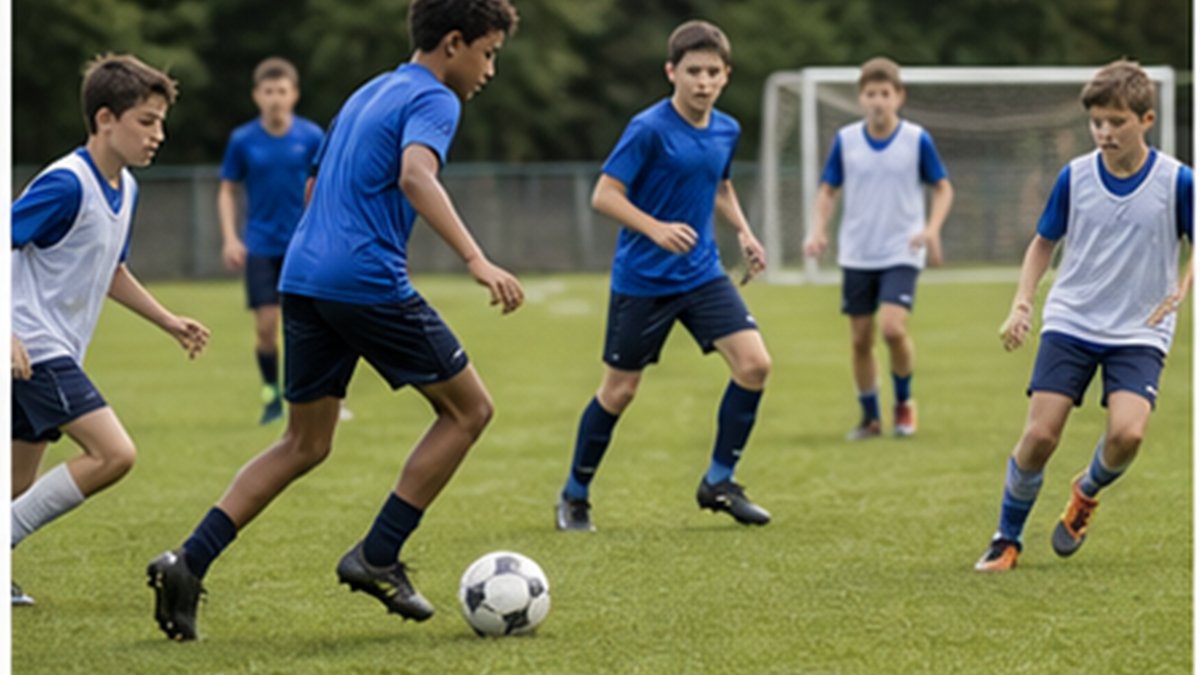
Youth games are often decided by which team has more players in the right spot to receive a pass, not which team has the flashiest dribbler. A player standing still, watching the ball, is invisible to a teammate under pressure.
Coaches naturally spend more time on ball skills because they're easier to see and coach in isolation. Off-the-ball movement is harder to teach, but it's often the bigger lever for a young team's overall play.
- A player who moves creates a new passing option every few seconds.
- A player who stands still is easy for a defender to mark and ignore.
- Teams with more players supporting the ball recycle possession under pressure far better.
Checking to Space Instead of Standing and Watching
Checking to space means a player recognizes when the ball is coming their way and moves to meet it in open space rather than waiting for it to arrive. A short check-away, then a check-back into space, also creates separation from a marking defender.
This is a habit, not a talent. Coaches can name it explicitly in training so players start to recognize the moment for themselves during a match.
The check-away
The player takes a step or two away from the ball first, pulling the defender with them before reversing direction.
- Used when tightly marked
- Creates a half-step of separation
The check-to-space
The player identifies an open pocket near the ball and moves into it before calling for the pass.
- Used when space is already open nearby
- Gives the passer an easier, safer option
Third-Man Runs That Pull Defenders Out of Position
A third-man run is when a player who isn't directly involved in the current pass makes a run to receive the next one, often behind the defense. It works because the defense is focused on the ball and the two players closest to it, not the player arriving from deeper.
This is an advanced concept for younger players, but even a simplified version, teaching one extra player to keep moving toward space while two teammates combine, builds the same instinct.
- Two players combine with a short pass while a third player reads the play from deeper or wider.
- The third player times a run into the space the first pass opens up, not before.
- The ball is played forward or wide into that run, bypassing a defender who was watching the first two players.
Training Movement in Small-Sided Games, Not Just Drills
Static passing drills rarely translate to game movement because there's no defender to create real pressure or real space. Small-sided games, especially with numbers like 4v4 or 5v5, force players to move constantly to stay involved.
Coaches can reinforce the habit with simple constraints, like requiring a check-to-space before receiving, rather than just praising good movement when they happen to see it.
A player only learns to move without the ball by playing games where standing still gets punished with a lost turnover.
Related SportX1 resources
Frequently asked questions
What age should coaches start teaching off-the-ball movement?
Simple concepts like checking to space can start around age 8 or 9. More advanced ideas like third-man runs usually land better from age 11 or 12 once players read the game more consistently.
How do coaches practice this without just doing more passing drills?
Small-sided games with a numbers advantage, like 4v3, tend to work better than isolated passing drills because they force constant movement to stay involved.
What's a common sign a player isn't moving enough off the ball?
If a player is consistently standing in the same spot when a teammate looks up to pass, or only moves after calling for the ball rather than before, that's usually the first thing to address.
Coach the movement that creates the goal
Use SportX1 to plan small-sided games and track tactical growth like off-the-ball movement for every player.
Related articles
How to Teach Scanning Before Receiving the Ball
A simple soccer progression for helping young players check space, receive with a plan, and make the next pass sooner.
How to Teach a First Touch That Holds Up Under Pressure
A coaching approach for teaching youth soccer players to cushion the ball and choose a touch direction that opens their next option, even with a defender closing fast.
How to Help Players Read Pressure Before They React
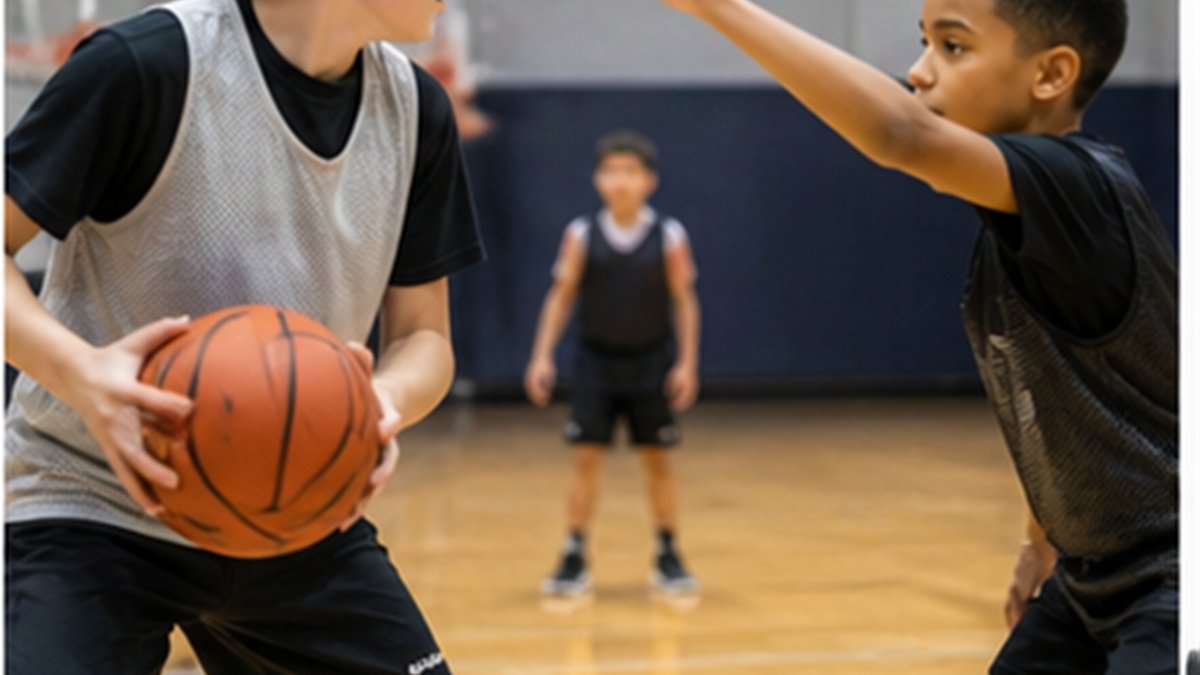
A cross-sport approach to developing decision-making: teaching young athletes to recognize pressure early instead of reacting to it after the fact.
About the author
SportX1 Editorial Team
Coach-reviewed guidance for youth sports learning, player development, team operations, and AI-supported coaching workflows.