
Quick summary
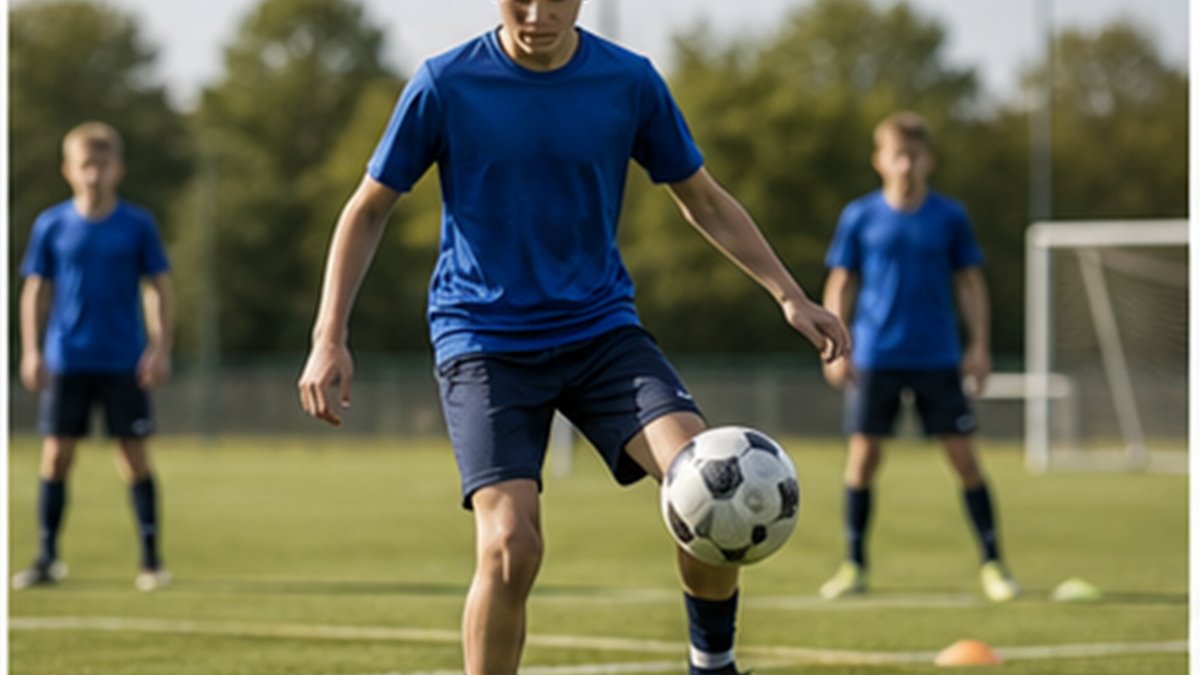
- A first touch under pressure has to control the ball and set up the next action in the same motion.
- Coaches should teach players to choose a touch direction before the ball arrives, not react to it after contact.
- Small, defender-present drills build the habit far better than first-touch work done in open space.
What a Good First Touch Actually Does
Definition
First touch: The initial contact a player takes on an incoming ball, used to control it and steer it into space rather than simply stopping it dead at their feet.
A first touch that stops the ball dead looks tidy, but it also gives the defender a fixed target to close down. A player who instead directs the ball a step or two away from pressure buys themselves time and space with the same touch.
This distinction matters most at game speed, when a defender is closing in as the ball arrives. Coaches who only train first touch in static, unpressured reps are teaching half the skill.
The best first touch isn't the softest one. It's the one that already points toward the player's next move.
Cushioning the Ball Without Losing the Half-Second
Cushioning is about absorbing the ball's pace with a relaxed ankle and foot surface, whether that's the inside of the foot, the outside, or the chest and thigh for balls in the air. A rigid, tense first touch tends to pop the ball too far from the body, which is exactly what a closing defender wants.
Under pressure, players don't have time to think through foot surface and body shape separately. Repetition with a defender applying real pressure is what makes the choice automatic.
- Scan before the ball arrives to know where the pressure is coming from.
- Angle the body and foot surface to receive across the body, away from the defender.
- Cushion with a soft touch that moves the ball into space, not straight back to where it came from.
Choosing a Touch Direction That Opens the Next Option
The direction of the first touch matters as much as its weight. A touch played across the defender's body, rather than back toward pressure, keeps the ball moving away from the tackle and toward space a teammate can use.
Coaches can build this by asking players a simple question before every rep: where is the open space, and can the first touch reach toward it in one motion.
- Touch away from the nearest defender, never into them.
- Touch toward a passing lane or open space, not just anywhere safe.
- Keep the touch within playing distance, not so far it's a second sprint to catch up.
Training First Touch With Real Pressure, Not Just Repetition
First touch improves fastest when a defender is present in the drill, even a passive one at first. A player who only ever receives the ball in open space will freeze the first time a real opponent closes in during a match.
Coaches can build pressure gradually across a training block, starting with a shadow defender and working up to a live 1v1 on receipt.
Early stage
A passive defender jogs toward the receiver as the pass arrives, forcing a quick scan and touch direction without a real tackle risk.
- Focus on scanning before the ball arrives
- Reward a touch that moves the ball away from the defender
Live stage
The defender closes at match speed and can win the ball, so the receiver has to combine touch quality with real decision-making.
- Score points for a touch that beats the first press
- Rotate roles so every player also learns to apply the pressure
Related SportX1 resources
Frequently asked questions
At what age should coaches start teaching first touch under pressure?
Most players can start once they're comfortable receiving in open space, often around age 8 to 9. Adding a passive defender before that age can work as soon as basic ball control is consistent.
How many reps does it take before a first touch under pressure becomes automatic?
It varies by player, but coaches typically see the habit stick after a few weeks of drills that include a defender in nearly every rep, not just occasional pressure work.
What's the most common mistake young players make on their first touch?
Touching the ball straight back toward where it came from, which is usually straight into the defender's pressure, instead of angling it into open space.
Build first-touch training into every session
Use SportX1 to plan pressure-based first-touch drills and track technical progress for every player.
Related articles
How to Teach Scanning Before Receiving the Ball
A simple soccer progression for helping young players check space, receive with a plan, and make the next pass sooner.
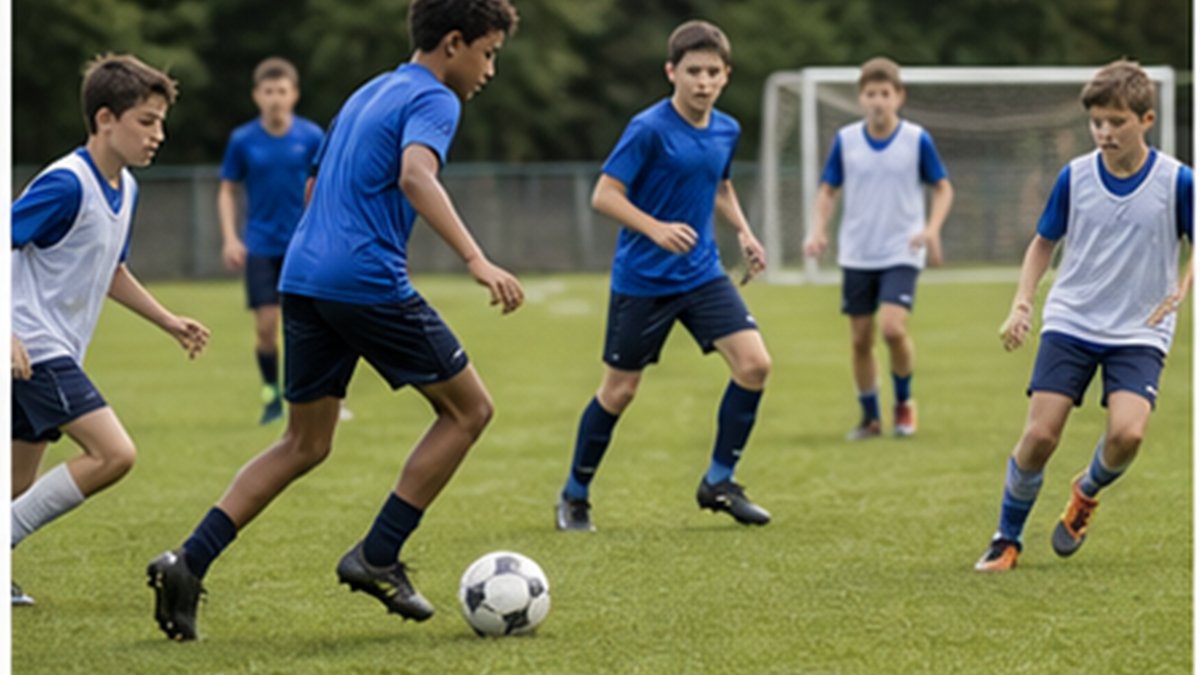
Teaching Youth Players to Create and Use Space Off the Ball
A tactical approach for helping youth soccer players move into open space and support the ball, instead of ball-watching from a standstill.
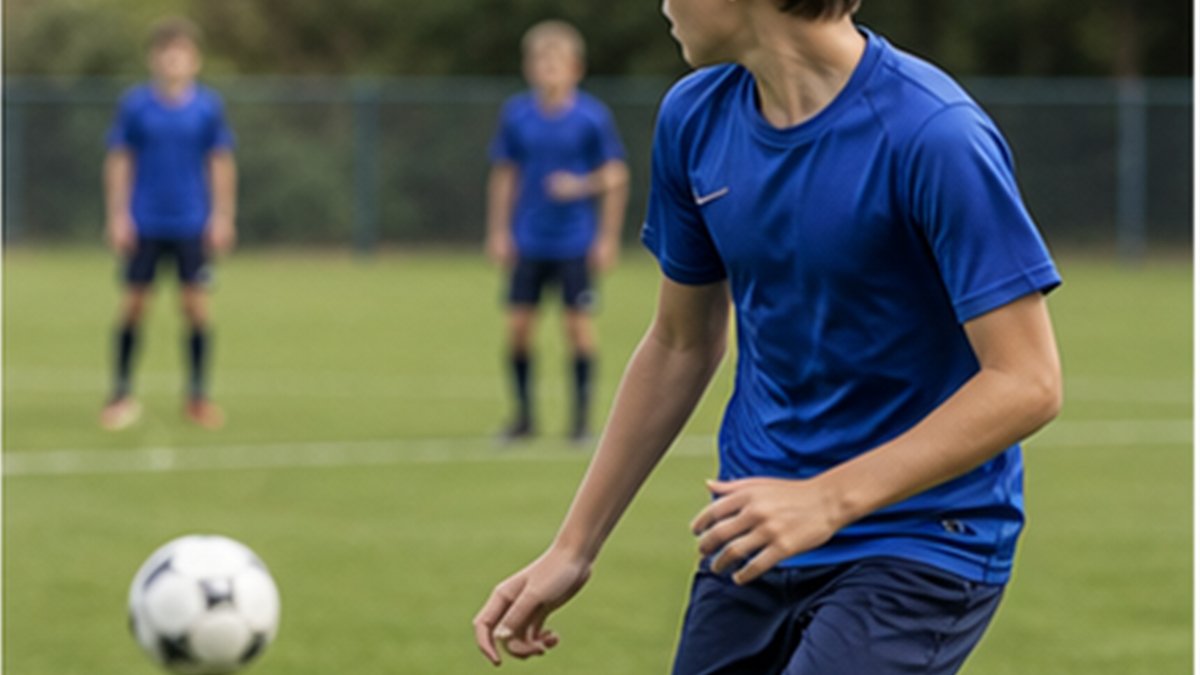
How to Track Soccer Player Development Without Extra Spreadsheets
How youth soccer coaches can track player growth, skill goals, feedback, and confidence without creating another spreadsheet routine.
About the author
SportX1 Editorial Team
Coach-reviewed guidance for youth sports learning, player development, team operations, and AI-supported coaching workflows.