

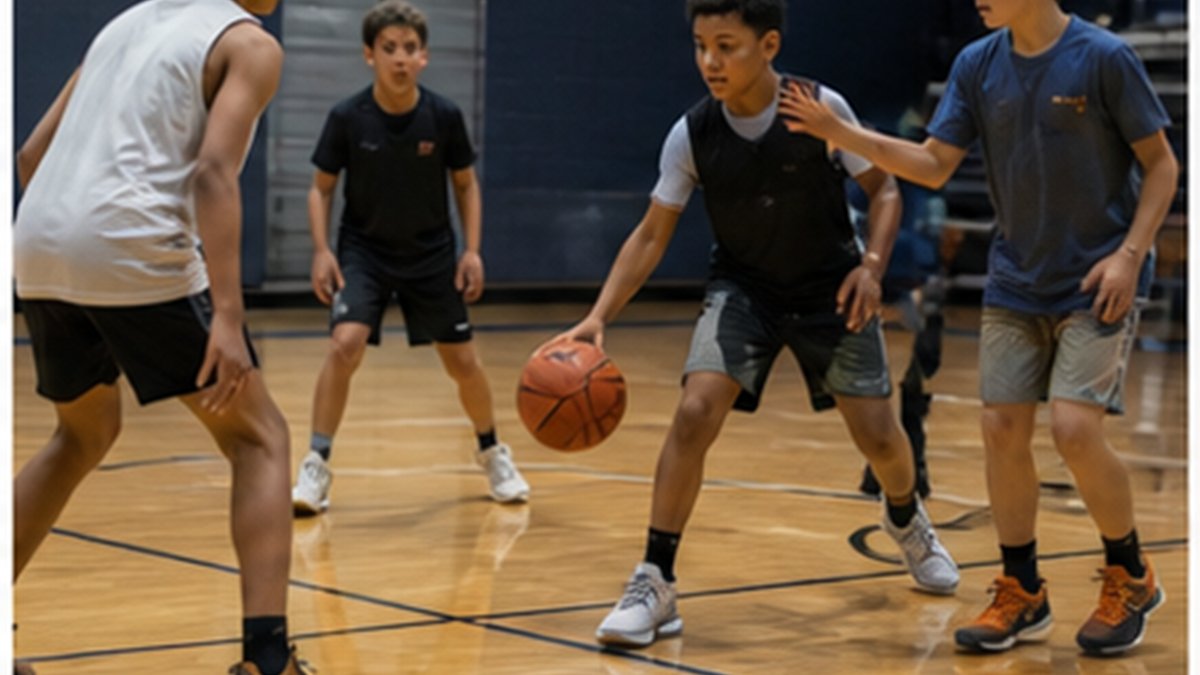
Quick summary
- A practice culture players want to show up for is built through small, repeatable moments, not just an efficient schedule.
- Giving players real ownership over parts of practice, like leading warmups or choosing a competition, builds buy-in that lasts beyond the session.
- Coaches who read the room and adjust energy in the moment keep practice feeling alive instead of routine.
Why Practice Culture Is Different From Practice Structure
Definition
Practice culture: The shared energy, habits, and sense of ownership players feel during a session, separate from how the session itself is scheduled or organized.
A well-organized practice plan gets players through the right drills in the right order. It doesn't automatically make players want to be there.
Culture is what happens in between the drills, how players greet each other, whether they compete for fun, whether they feel like the session belongs to them too. Two teams can run the same practice plan and feel completely different to be part of.
Small Rituals Build Energy Faster Than Big Speeches
Coaches often reach for a pep talk when energy feels low, but a short pep talk rarely outlasts the first water break. Small, repeated rituals do more work over time because players start to expect and look forward to them.
A ritual doesn't need to be elaborate. It just needs to happen every time, so it becomes part of what practice feels like rather than a one-off gimmick.
- Open every practice the same energetic way, like a quick call-and-response or a favorite warmup game.
- Let players pick the music or the closing competition on a rotating basis.
- Mark small wins out loud, like a player's first clean rep of a new skill.
Give Players Real Ownership, Not Just Choices
Ownership is different from being offered a menu of options. It means players have a genuine role in how practice runs, even if it's a small one.
Older or more experienced players can lead a warmup station or explain a drill to a younger teammate. That responsibility changes how invested they are in the rest of the session.
- Pick one low-risk part of practice, like the warmup, to hand over first.
- Rotate the responsibility so more than one or two players get the role.
- Coach the player leading it quietly, without taking the moment back from them.
Read the Room and Adjust the Energy in Real Time
A practice plan written the night before can't account for how a team shows up that day. A coach who notices low energy early and adjusts keeps the session from sliding into the motions.
That might mean shortening a lecture-heavy segment, adding a competitive twist to a drill, or simply calling out that the group needs a reset. Reading the room is a skill that improves with attention, not something reserved for naturally outgoing coaches.
A team that feels flat ten minutes in rarely fixes itself. A small adjustment early keeps the whole practice from feeling like a chore.
Related SportX1 resources
Frequently asked questions
How much time should practice culture actually take out of a session?
Very little. Most rituals, like an opening routine or a rotating leader role, take two to three minutes and pay for themselves in engagement.
Does practice culture matter for younger age groups too?
Yes, arguably more. Players age 8 to 10 often decide whether they like a sport based on how practice feels, not how much they're improving.
What's a common mistake coaches make when trying to build culture?
Treating it as a once-a-season pep talk instead of small habits repeated every practice. Culture is built in the routine moments, not the occasional big one.
Build a practice culture that keeps players coming back
Use SportX1 to organize team rituals, track attendance, and keep the energy consistent from one practice to the next.
Related articles

How to Structure a Youth Practice Plan Players Can Actually Follow
A practical practice-plan framework for youth coaches: one theme, four blocks, short instructions, and a five-minute review players remember.
How to Give Youth Athletes Feedback They Actually Use
A practical framework for youth coaches to give feedback that's specific, timely, and short enough for players to remember and apply on the next rep.
How to Onboard a New Assistant Coach Without Slowing Down Practice
A practical way to bring a new assistant coach or volunteer up to speed on your team's drills, cues, and coaching language mid-season, without confusing players.

About the author
SportX1 Editorial Team
Coach-reviewed guidance for youth sports learning, player development, team operations, and AI-supported coaching workflows.