
Quick summary
- Live coaching happens in real time, which means small technique details are easy to miss no matter how experienced the coach is.
- AI video review tools are most useful for showing players what actually happened, not for making the technique decision for the coach.
- Keep the follow-up conversation short and focused on one or two details, the same as any other feedback.
Why Even Good Coaches Miss Details Live
Coaching in real time means watching an entire group, managing the drill, and reacting to whatever happens next, all at once. A small technique detail, like where a foot lands or how early a shoulder turns, is easy to miss even for an experienced coach.
This isn't a sign of poor coaching. It's a limit of watching live play unfold in real time with a full group of players to manage.
What AI Video Review Is Actually Good For
Definition
AI video review: Software that analyzes recorded practice or game footage to highlight specific moments, movements, or patterns a coach can review after the fact.
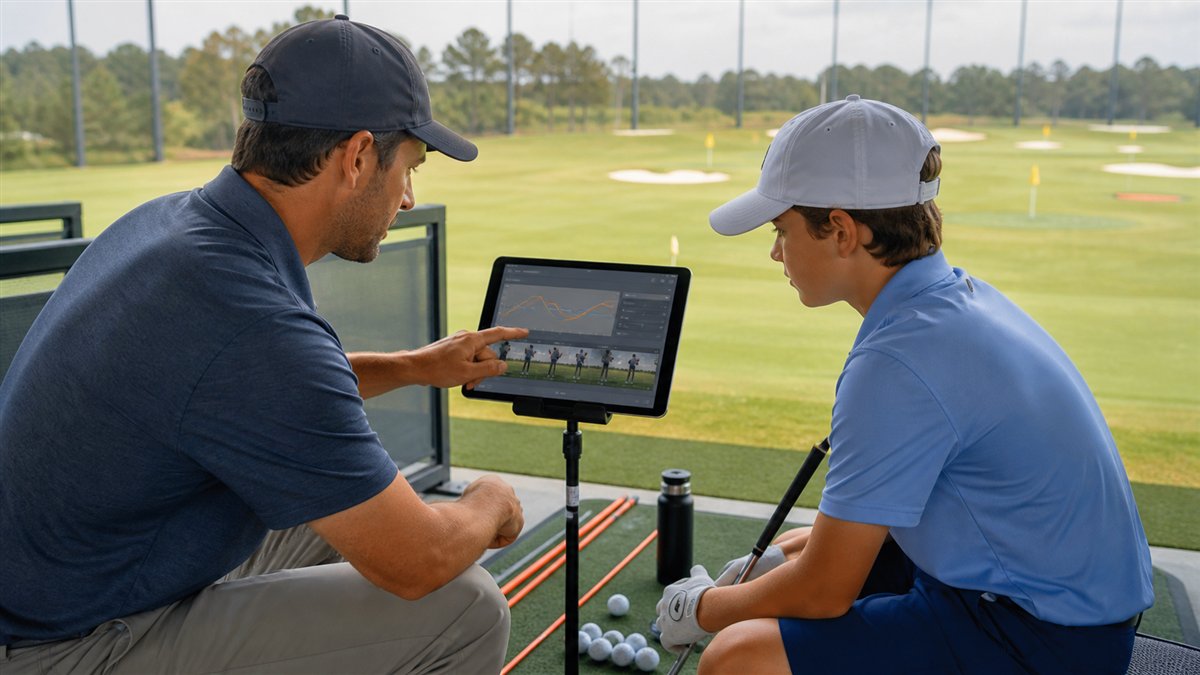
AI video review tools are strongest at surfacing a specific moment: a rep, a frame, a movement pattern, so a coach can look at it more closely than live speed allows.
They're weakest when treated as a replacement for coaching judgment. The tool can point at a moment. It can't decide what that moment means for a specific player's development.
- Record the rep or sequence during a normal practice or game.
- Let the tool flag the specific moments worth a closer look.
- The coach decides what it means and what to say to the player.
Keep the Follow-Up Conversation Short
Sitting a player down to watch ten minutes of footage rarely helps. The same rules that apply to live feedback apply here: one or two specific details, delivered clearly, work better than a long review session.
Use the video to confirm what the coach already suspected, or to show a player something they genuinely couldn't feel in the moment.
- Pick one clip, not a full session, to review with a player.
- Ask the player what they notice before pointing it out.
- Connect the clip back to a cue already used in practice.
A 90-second video clip with one clear point beats a full film session almost every time with youth athletes.
Keep Coach Judgment at the Center
AI tools can process footage faster than a coach scrubbing through video alone, but they don't know the player's history, confidence level, or what they're ready to hear this week. That judgment still belongs to the coach.
The best use of these tools is freeing up the time a coach would have spent scrubbing through footage, so more of that time goes into deciding what actually matters to say.
Related SportX1 resources
Frequently asked questions
Do coaches need special equipment to use AI video review?
Most tools work with a phone or tablet recording, so most youth programs already have what they need to get started.
Is AI video review only useful for individual sports like golf or swimming?
No. Team sports benefit too, especially for reviewing specific moments like a defensive read or a passing decision, not just individual technique.
How much should families be shown from video review?
Keep it focused on the same one or two details shared with the player, rather than sending home a full unedited clip.
Turn video moments into clear player feedback
Use SportX1 to connect AI-supported review notes with player goals, assignments, and practice plans.
Related articles
AI Practice Planning Prompts Coaches Can Actually Use
Prompt patterns for creating a useful first draft of a practice plan, then checking it for age level, safety, space, and coaching language.

How to Set Player Development Goals for a Youth Team
A simple way to set player development goals that are specific, visible in practice, and easy for players to remember.

How Visual Cues Help Players Learn Faster
A coach-friendly guide to using cones, demonstrations, freeze moments, and simple cues so young athletes understand what to look for in the next play.
About the author
SportX1 Editorial Team
Coach-reviewed guidance for youth sports learning, player development, team operations, and AI-supported coaching workflows.