

Quick summary
- Young players who chase winners from the first ball rarely hold up against opponents who can control the ball.
- Breaking a point into rally, opening, and finish gives players a simple mid-point checklist to follow.
- Pattern drills let coaches isolate shot-selection decisions before asking for them in live match play.
What Point Construction Actually Means
Definition
Point construction: The practice of building a point through a sequence of shots designed to move an opponent or create an opening, rather than attempting a winner on any single shot without setup.
Many young players treat every point the same way: get the ball in play, then look for the first chance to swing hard for a winner. That approach can work against weaker opponents, but it falls apart against anyone who can control the ball.
Point construction teaches a player to think one or two shots ahead. Instead of asking "can I hit a winner here," the question becomes "what does this shot set up for the next one."
- Rallying cross-court to open up the down-the-line shot.
- Hitting deep to a weaker wing before attacking the middle.
- Using a short ball as an approach shot, not a finishing shot.
- Recognizing when an opponent is out of position before committing to a winner.
Teach the Progression From Rally to Opening to Finish
Young players need a simple mental checklist they can run through mid-point, not an abstract idea of "playing smart." Breaking a point into three stages gives them something concrete to work with.
This progression also gives coaches a clear way to evaluate decision-making in a rally, separate from whether the shot itself landed in or out.
- Rally with purpose, aiming for depth and consistency rather than power.
- Look for a shorter or weaker ball that creates an opening.
- Move the opponent with that opening shot rather than trying to end the point immediately.
- Finish only once the opponent is out of position or the ball sits up.
Drill the Patterns Before Asking for Them in Matches
A player won't reliably construct points in a match if they've never practiced the pattern in a low-pressure setting first. Pattern drills let a coach isolate one decision at a time.
Two patterns cover most of what a young player needs before match play starts to feel less reactive and more deliberate.
Cross-Court to Open the Line
Players rally cross-court for a set number of shots, then one player takes the down-the-line shot once an opening appears.
- Start with a fixed number of cross-court shots before the line is open.
- Reward shot selection, not just clean execution.
- Progress to live points once the pattern feels automatic.
Short Ball Recognition
A feeding coach or partner deliberately floats a short ball mid-rally, and the player practices moving forward to attack it rather than staying back.
- Cue the player to recognize the short ball early, not just react to it.
- Emphasize moving the opponent with the approach shot.
- Follow the approach to the net when appropriate.
Help Players Let Go of the Hero Shot
Young players often chase the highlight-reel winner because it feels good, even when the shot selection doesn't make sense. Coaches can reframe the goal: winning the point matters more than how it ends.
Over time, a player who trusts point construction will find that winners come more often anyway, just later in the point when the opening is real.
A point built with purpose doesn't need a spectacular finish. It just needs the opponent out of position by the time the finish arrives.
Related SportX1 resources
Frequently asked questions
At what age can young players start learning point construction?
Most players can grasp basic patterns like rallying cross-court to open the line by age 10 to 12, once their rally consistency is reasonably steady.
How is this different from just telling a player to be patient?
Patience alone doesn't give a player a plan. Point construction gives them specific patterns to execute, which makes patience easier to apply.
Should coaches correct shot selection even when the point is won?
Yes. A winner hit from a poor decision should still be flagged, since the same decision will lose points more often than it wins them.
Coach decision-making, not just technique
Use SportX1 to plan pattern drills and track how well players construct points over time, not just whether they win them.
Related articles
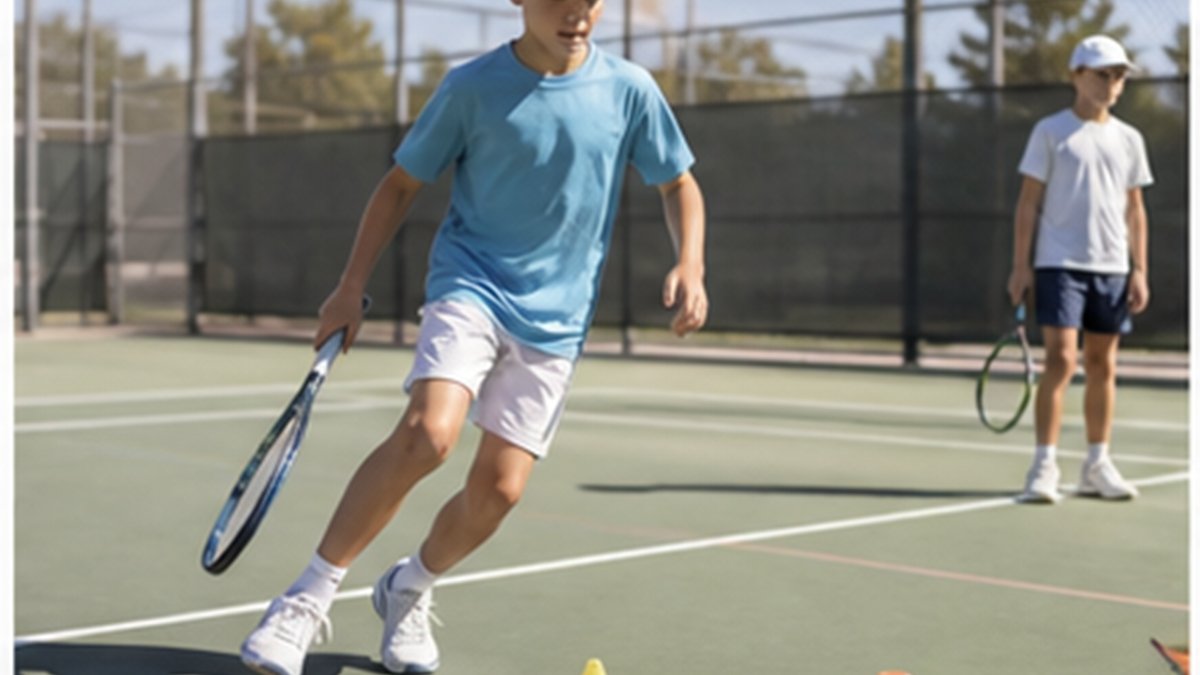
How to Teach the Split-Step So It Actually Becomes a Habit
A simple progression for teaching young tennis players the split-step, so recovery footwork becomes automatic instead of something they only do when reminded.

How to Teach a Service Toss Young Players Can Repeat Under Pressure
A step-by-step approach to teaching a consistent, repeatable service toss so young tennis players stop rebuilding their serve from scratch every match.
How to Track Tennis Player Development Without Extra Spreadsheets
How youth tennis coaches can track player growth, skill goals, feedback, and confidence without creating another spreadsheet routine.

About the author
SportX1 Editorial Team
Coach-reviewed guidance for youth sports learning, player development, team operations, and AI-supported coaching workflows.