

Quick summary
- A grip and setup that feels awkward at first is often correct, and young players need to know that going in.
- Setup should be built around two or three checkpoints a player can find without a coach standing there.
- Fundamentals that only hold up on the range aren't done being taught yet.
Why Grip and Setup Come Before Anything Else
Definition
Setup: The position a golfer builds before the swing starts, covering grip, stance, alignment, posture, and ball position, all of which shape what the swing is capable of doing.
Every swing flaw a coach tries to fix later traces back to something in the setup. A grip that's too weak or too strong, or a stance that's aimed well off target, forces the body to compensate mid-swing just to make contact.
Young players rarely notice this connection on their own. They feel the miss at impact and try to fix it there, when the real issue was set before the club ever moved.
- A grip that's slightly off changes clubface angle at impact, not just at address.
- Alignment errors get compensated for mid-swing, which shows up as inconsistency, not a clear miss pattern.
- Posture affects how much rotation a player actually has access to.
Start With a Grip That Fits the Player's Hand, Not a Diagram
Grip instruction often starts and ends with a photo of where the fingers go. That's a fine starting point, but hand size, strength, and even how a player naturally holds a bat or racket all affect what grip will actually stick.
A neutral grip is the right target for most junior golfers, but getting there works better as a short sequence than a single correction.
- Let the lead hand find the club first, checking that two or three knuckles are visible at address.
- Add the trail hand so the palms feel like they're facing each other, not fighting for control.
- Check grip pressure last, aiming for firm enough to control the club, loose enough to feel the clubhead.
Build Setup Around Checkpoints a Player Can Find Alone
A coach can see when a player's alignment is off from twenty feet away. The player, standing over the ball, usually can't. Setup needs external checkpoints that don't depend on a coach being there to catch the error.
Alignment sticks or clubs on the ground work well during practice, but the real test is whether the player can recreate the same setup without them.
| Checkpoint | What It Confirms | Common Miss |
|---|---|---|
| Feet, hips, shoulders parallel to target line | Alignment is aimed at the target, not just close | Aiming the body at the ball instead of the target |
| Ball position relative to lead heel | Contact point matches the club being used | Ball creeping too far forward with every club |
| Slight forward tilt from the hips, not the waist | Posture allows full rotation | Rounded shoulders that limit turn |
Make the Fundamentals Stick When the Round Gets Uncomfortable
A grip and setup that only shows up when a coach is watching hasn't been learned yet. The real test is the back nine of a tournament round, when a player is tired, a little nervous, and nobody is there to make a correction.
Coaches can build that durability by asking players to check their own setup out loud during practice, then gradually removing the prompts until it happens automatically.
A fundamental that disappears under pressure isn't wrong, it's just not practiced enough yet. That's a repetition problem, not a technique problem.
Related SportX1 resources
Frequently asked questions
What age should coaches start correcting grip and setup?
Most coaches start light corrections around age 7 or 8, focusing on one checkpoint at a time rather than a full overhaul in a single lesson.
What if a correct grip feels wrong to a young player?
That's normal and usually temporary. A grip change often feels awkward for a few sessions before it starts to feel natural, so it helps to warn players ahead of time.
How often should setup be checked once it's established?
A quick check every few sessions is usually enough. Setup tends to drift slowly, especially as a player grows, so occasional check-ins catch it before it becomes a habit.
Turn fundamentals into lasting habits
Use SportX1 to log grip and setup corrections by player and track which checkpoints are sticking over time.
Related articles
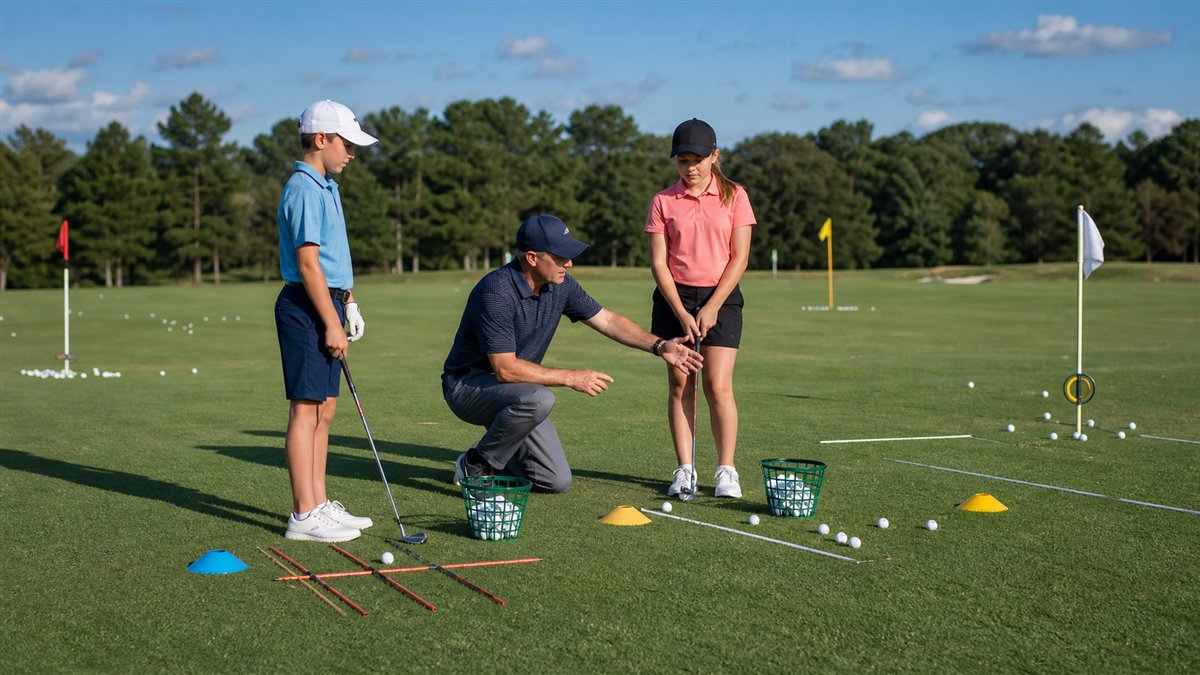
How to Build a Pre-Shot Routine Young Golfers Will Actually Use
A simple, repeatable pre-shot routine junior golf coaches can teach so young players carry the same steps from the range to the course.
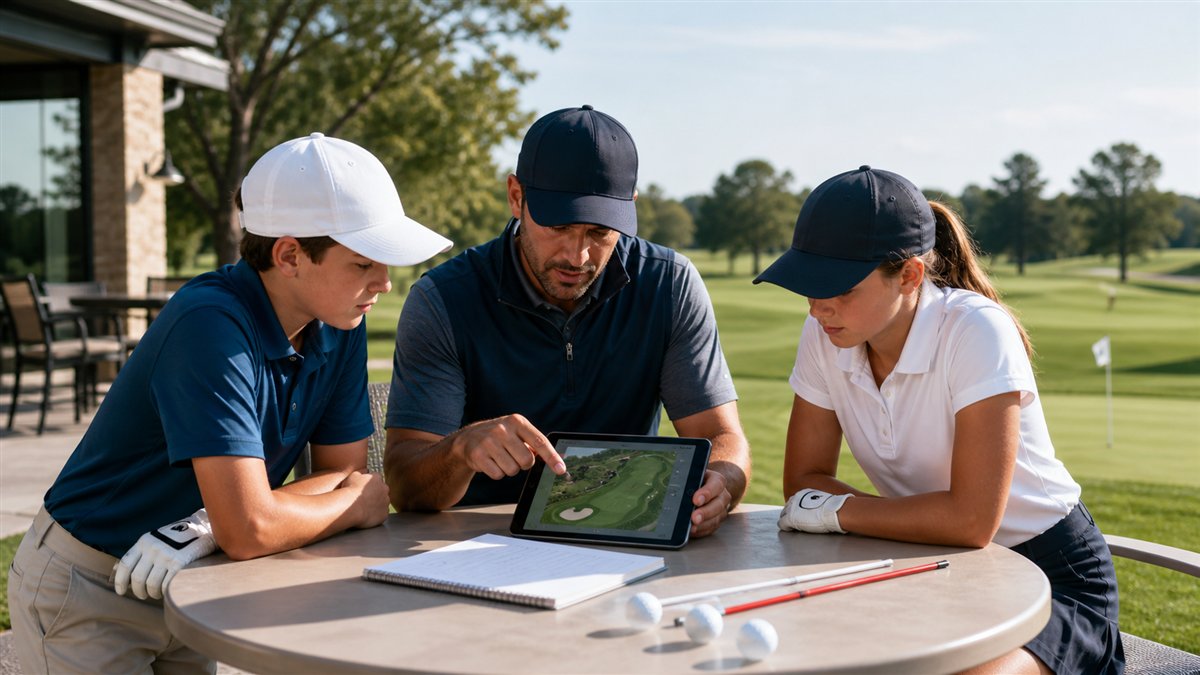
A Weekly Short Game Practice Plan for Junior Golfers
A simple weekly structure for junior golf short game so putting, chipping, and pitching get real practice time instead of getting squeezed out by the driving range.

How to Track Golf Player Development Without Extra Spreadsheets
How youth junior golf coaches can track player growth, skill goals, feedback, and confidence without creating another spreadsheet routine.
About the author
SportX1 Editorial Team
Coach-reviewed guidance for youth sports learning, player development, team operations, and AI-supported coaching workflows.