
Quick summary
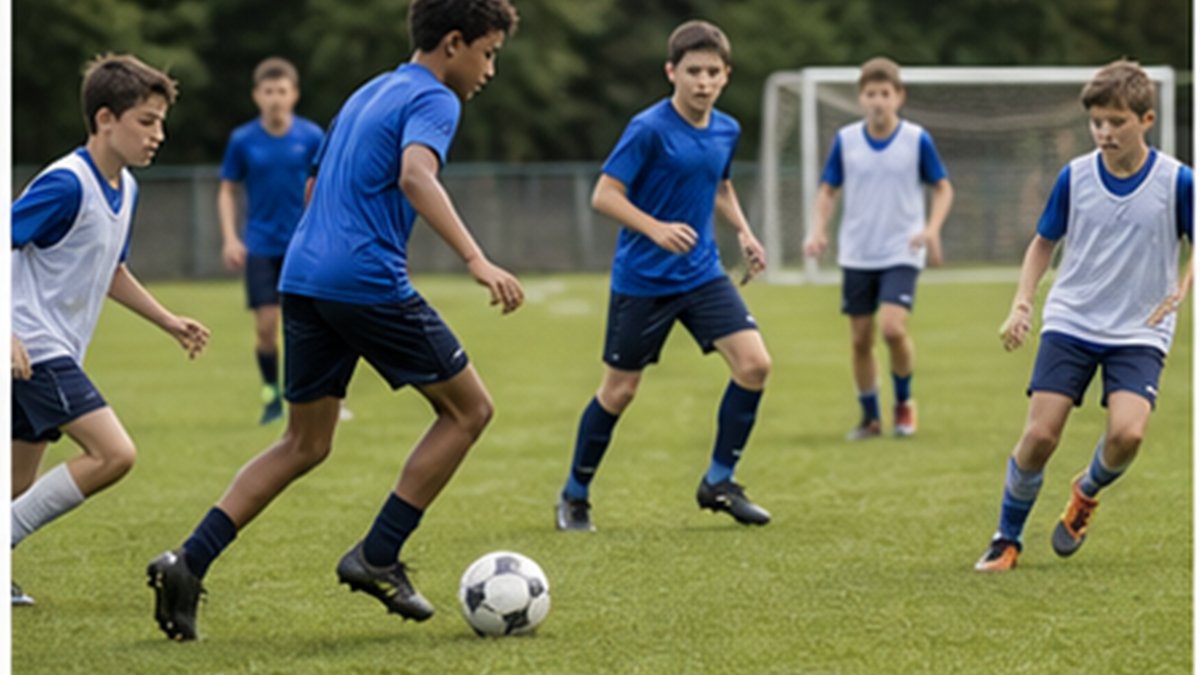
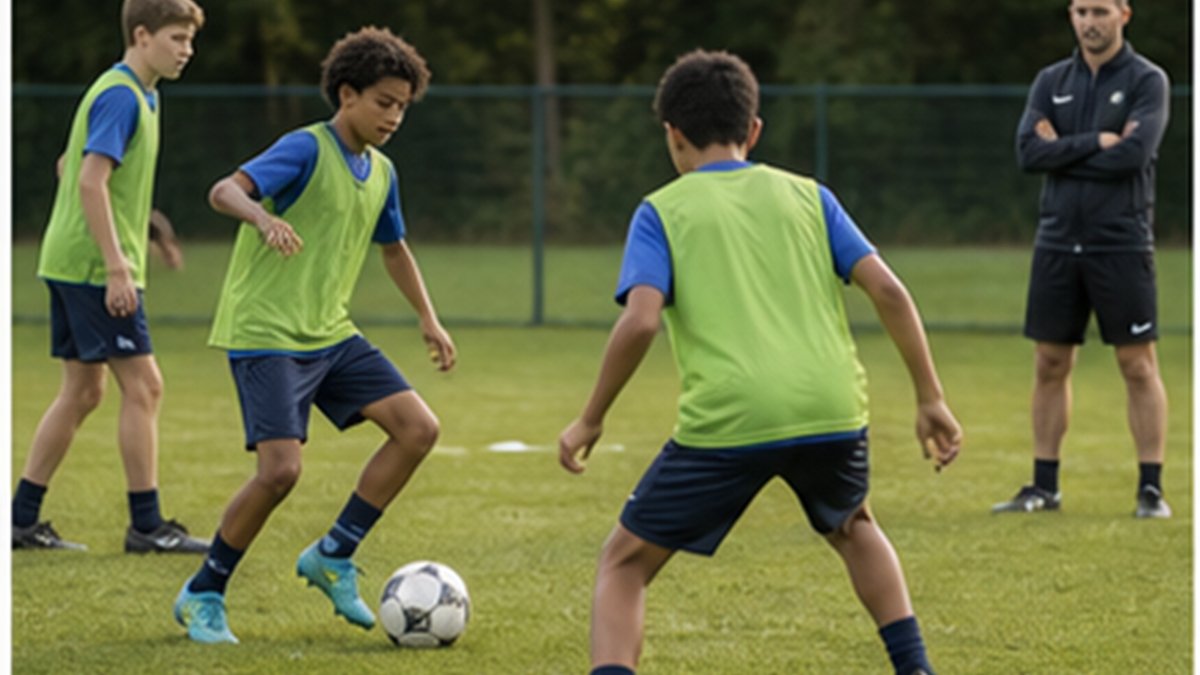
- Small-sided games create more touches, more decisions, and more repetitions than full-field drills or lines.
- Rotate a small set of games so players learn the rules once and spend their energy on decisions.
- Use field size, touch limits, and scoring rules to steer the game toward the skill you are coaching.
Why Small-Sided Games Beat Standing in Line
Definition
Small-sided game: A scaled-down game, usually 1v1 to 5v5, played on a smaller field so every player touches the ball often and faces real decisions.
Long lines and full-field scrimmages waste practice time in different ways. Lines slow down touches. Full-field games spread players out so far that young athletes barely see the ball. Small-sided games fix both problems by shrinking the space and raising the number of decisions each player makes.
Coaches who have tried it already know the result: shrink the field, and players get more touches, more 1v1 moments, and more chances to fail and try again before the whistle blows.
Five Small-Sided Games to Rotate Through Practice
You do not need a new game every week. A small rotation of five games, taught well once, gives you more coaching value than a new setup every practice.
| Game | Focus | Setup |
|---|---|---|
| Rondo (4v1 or 5v2) | First touch and quick decisions under pressure | 10-yard grid, one or two defenders in the middle |
| 3v3 to four small goals | Spacing and choosing which goal to attack | 20x15 yard grid with a goal on each corner |
| 4v4 possession to gates | Passing angles and support play | 30x20 yard grid with three or four passing gates |
| 1v1 to end lines | Attacking and defending in a tight space | 10x10 yard grid, dribble across the opponent's line to score |
| 5v5 transition game | Scanning and reacting after losing the ball | Half field with two small goals |
Shape the Game With Simple Rules, Not Long Instructions
The fastest way to teach inside a small-sided game is to change the rule, not the lecture. A touch limit, an extra gate, or a bonus for a first-time pass can push players toward the habit you want without stopping play.
Introduce one rule at a time. Stack three constraints on players who are still learning the game, and they will spend their energy remembering rules instead of scanning the field.
- Two-touch limit to speed up decisions.
- Bonus goal for a pass completed after receiving under pressure.
- Extra gate that only counts if a player scanned before receiving.
- Freeze the game for ten seconds to point out an open passing lane.
Common Mistakes That Flatten a Good Game
A well-designed game can still fall flat if the coaching around it undercuts the point. The most common mistake is stopping play too often, which turns a fast-paced game back into a lecture.
The second is picking games that are too advanced for the group, which leads to players avoiding the ball instead of hunting for it.
Signs a game needs adjusting
Watch the game for a minute before deciding whether to change it or coach through it.
- Players are bunching around the ball instead of spreading out.
- The same two players are touching the ball on every possession.
- Players look at the coach more than at the game.
If players stop asking for the ball, the game is either too hard, too crowded, or explained for too long.
Turn Small-Sided Games Into a Development Habit
A game only builds long-term skill if a coach can see whether it is working. Track which game you used, what rule you added, and what players did well so you are not guessing from week to week.
This is also where small-sided games connect to bigger team goals. If a player's individual goal is scanning before receiving, a rondo or gate game gives you a place to watch that goal in action instead of only hearing about it at pickup.
Related SportX1 resources
Frequently asked questions
How many players should be in a small-sided game?
Most youth coaches get the best results between 1v1 and 5v5. Smaller games create more touches and pressure; larger games start to feel like a scrimmage again.
How long should a small-sided game last in practice?
Blocks of six to ten minutes usually work well, with a short break to reset the rule or rotate teams before players lose focus.
Can small-sided games replace technical training?
No. Technical repetition still matters, but small-sided games are where that technique gets tested against real pressure and real decisions.
Build a small-sided game rotation with SportX1
Plan practice blocks, save your favorite games, and connect them to player development goals in one place.
Related articles
How to Teach Scanning Before Receiving the Ball
A simple soccer progression for helping young players check space, receive with a plan, and make the next pass sooner.
How to Structure a Youth Practice Plan Players Can Actually Follow
A practical practice-plan framework for youth coaches: one theme, four blocks, short instructions, and a five-minute review players remember.
How to Set Player Development Goals for a Youth Team
A simple way to set player development goals that are specific, visible in practice, and easy for players to remember.
About the author
SportX1 Editorial Team
Coach-reviewed guidance for youth sports learning, player development, team operations, and AI-supported coaching workflows.