

Quick summary
- Shoulder overuse injuries are common in year-round swimmers who never do work outside the water.
- A short, consistent dryland routine does more for shoulder health than occasional long sessions.
- Mobility and core work also support the rotation and body position that good stroke technique depends on.
Why Dryland Work Matters for Young Swimmers
Definition
Dryland training: Strength, mobility, and stability exercises done outside the pool that support the shoulder health and body control swimming technique depends on.
Swimming repeats the same shoulder motion thousands of times across a season, which makes overuse injury a real risk for year-round swimmers, especially as training volume increases with age. Dryland work builds the surrounding strength and mobility that keeps that repetitive motion from breaking down the joint.
This doesn't require a full strength program for a 10-year-old. A short, consistent routine focused on the right areas is enough to make a difference.
- Shoulder overuse is one of the most common injuries in year-round swimmers.
- Strength imbalances often show up before pain does.
- A few minutes of consistent work outweighs occasional long sessions.
A Simple Shoulder-Health Routine
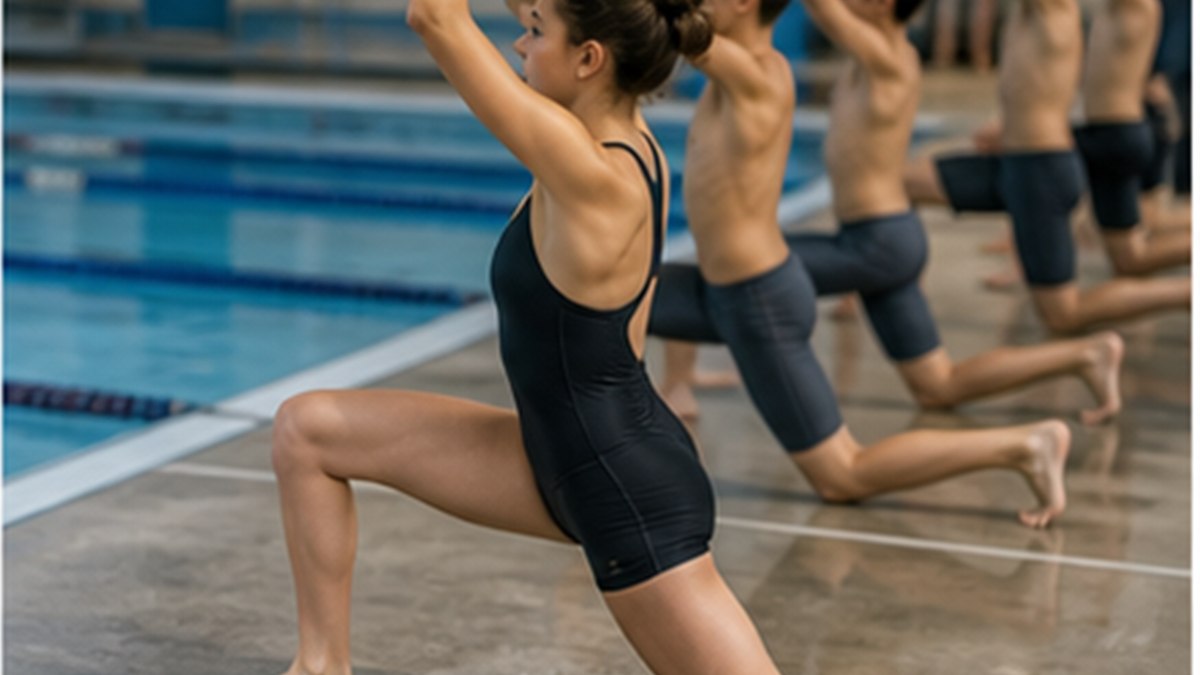
Shoulder health work doesn't need equipment beyond a light resistance band. The goal is building strength in the muscles that stabilize the shoulder blade, not just the ones that pull through the water.
Coaches can run this as a short block before practice starts, so it becomes part of the routine rather than an extra task players skip.
- Band pull-aparts, 2 sets of 15, to build upper back strength.
- External rotation with a light band, 2 sets of 12 each arm.
- Scapular push-ups, 2 sets of 10, to build shoulder blade control.
- Wall slides or arm circles to finish, focused on full range of motion.
Core and Mobility Work That Supports Technique
Good stroke technique depends on more than the shoulders. A stable core and mobile hips and ankles support the body position and rotation that a coach is also teaching in the water.
These don't need to be separate from shoulder work. A combined 10-minute routine covering all three areas fits easily before or after practice.
Core stability
A stable core keeps the hips from dropping during rotation, which supports body position through the whole stroke.
- Planks and side planks, held for time.
- Dead bugs for controlled core engagement.
Hip and ankle mobility
Flexible hips and ankles support a stronger kick and better body position off the wall.
- Ankle circles and calf stretches.
- Hip openers before getting in the water.
Building Dryland Into a Weekly Schedule
Dryland work is easiest to stick with when it's attached to a routine that already exists, like the start of practice, rather than treated as a separate commitment. Consistency matters more than the length of any single session.
For younger or newer swimmers, two to three short sessions a week is usually enough. Older swimmers with higher training volume may benefit from a slightly more structured plan.
| Day | Focus | Length |
|---|---|---|
| Monday | Shoulder health routine | 10 minutes, before practice |
| Wednesday | Core stability work | 10 minutes, before practice |
| Friday | Mobility and full routine combined | 15 minutes, before practice |
Related SportX1 resources
Frequently asked questions
At what age should young swimmers start dryland work?
Basic bodyweight and band exercises are appropriate for most swimmers by age 9 or 10, focused on form and consistency rather than added weight.
How much dryland is too much for a young swimmer?
For most youth swimmers, 10 to 15 minutes a few times a week is plenty. More isn't necessarily better, especially without proper supervision.
What are early warning signs of shoulder overuse to watch for?
Complaints of shoulder soreness that don't fade with rest, a noticeable drop in stroke technique, or a swimmer favoring one side are all worth addressing before they become a bigger issue.
Keep dryland work consistent all season
Use SportX1 to schedule short dryland blocks alongside swim practice and track training load over time.
Related articles
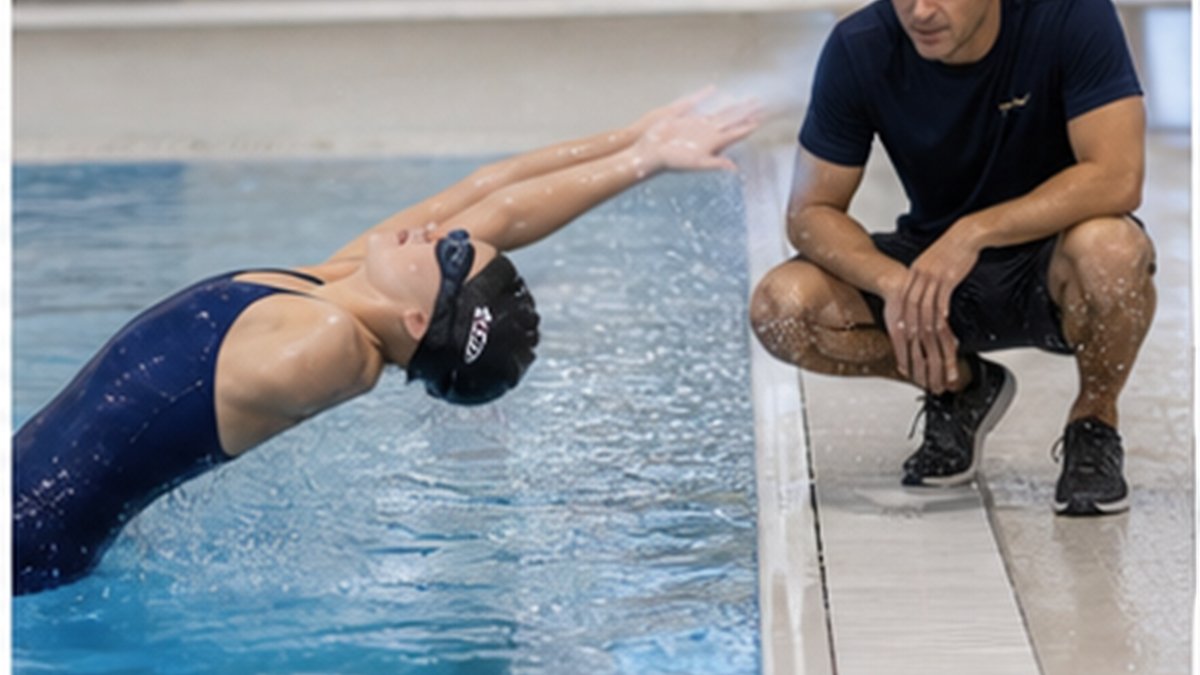
How to Teach a Wall Turn Young Swimmers Won't Slow Down For
A simple progression for teaching youth swimmers a clean, confident wall turn so races and practice sets don't lose momentum at every wall.
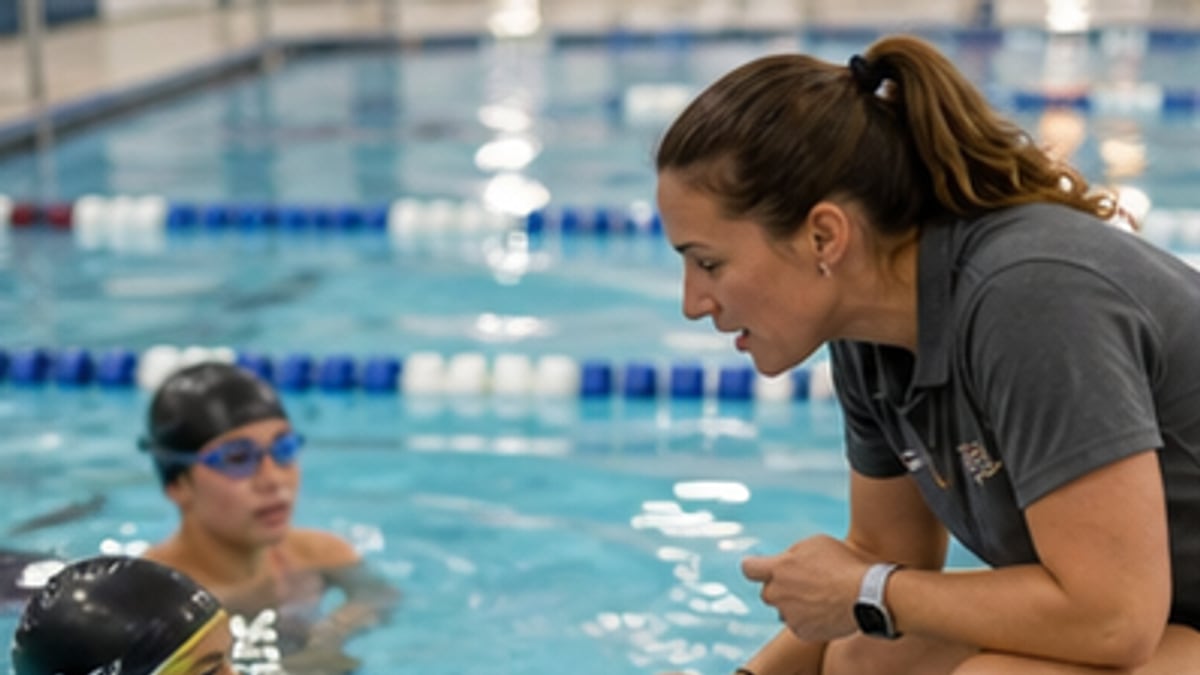
How to Teach a Relaxed, Efficient Freestyle Breath
A step-by-step approach for teaching young freestylers to rotate and exhale underwater so breathing stops breaking their stroke rhythm.
How to Track Swimming Player Development Without Extra Spreadsheets
How youth swimming coaches can track player growth, skill goals, feedback, and confidence without creating another spreadsheet routine.
About the author
SportX1 Editorial Team
Coach-reviewed guidance for youth sports learning, player development, team operations, and AI-supported coaching workflows.