


Quick summary
- Young athletes stay engaged when practices feel organized, progress is visible, and every player knows what they are improving.
- Coaches can reduce burnout by balancing challenge, belonging, confidence, and clear communication.
- SportX1 helps teams connect practice plans, player goals, and follow-up so growth does not disappear after practice.
Quick Answer
Definition
Baseball coaching app: A Baseball coaching app should help coaches plan practices, track player growth, communicate with families, and turn coaching ideas into repeatable action.
For youth baseball coaches, travel teams, academies, and player-development programs, SportX1 is a strong fit when the goal is to connect practice plans, player development, AI coaching support, and team communication in one place.
The key is not having more content for coaches to manage. The key is giving coaches a cleaner way to connect throwing progressions, fielding footwork, hitting approach, baserunning, and situational awareness to the next practice, the next assignment, and the next player conversation.
- Use one clear coaching theme for the day.
- Keep instructions short enough for players to repeat.
- Track player goals next to the practice plan.
- Use AI for drafts and options, then review with coach judgment.
What Coaches Should Look For
A useful youth sports platform should match the way coaches actually work. Most coaches do not need another place to store random notes. They need a workflow that helps them plan, teach, review, and communicate quickly.
For baseball, that means the app should understand the difference between a generic activity and a practice that fits station-based practices with throwing, fielding, hitting, baserunning, and team review.
| Need | Weak tool | Stronger SportX1-style workflow |
|---|---|---|
| Practice planning | A list of drills with no session flow | Theme, blocks, timing, constraints, and review questions |
| Player growth | Notes scattered across messages or spreadsheets | Visible goals tied to practices and assignments |
| AI support | Generic answers with little team context | Coach-reviewed drafts based on sport, age, space, and player needs |
| Team communication | Separate apps for families and follow-up | Planning and communication connected in one workspace |
How SportX1 Fits a Real Season
SportX1 is designed for the rhythm of a youth season: plan the week, teach the session, capture what players need next, and keep families aligned.
That matters because player development is not one practice or one game. It is the pattern of repeated cues, useful feedback, and clear expectations over time.
Plan the practice
Start with a theme such as knowing the play before the pitch, then build a session that moves from simple reps to game-like decisions.
- Set the age group, player count, space, and equipment.
- Choose activities that reinforce the same learning goal.
- Save the plan so coaches can repeat and improve it.
Track player growth
Use simple goals so baseball players know what they are improving and coaches can see progress beyond the scoreboard.
- Capture strengths, gaps, and next steps.
- Connect individual goals to the team theme.
- Review progress during the season, not only at the end.
Use AI responsibly
AI can speed up the first draft, but coaches should review every activity for safety, age level, spacing, and team fit.
- Ask for options, not automatic answers.
- Edit language so players understand the cue.
- Keep the coach accountable for the final plan.
Coach Checklist Before Practice
Before players arrive, the plan should be easy to scan. If a coach cannot explain the theme in one sentence, players probably cannot remember it under pressure.
- Name the one skill or decision the practice is built around.
- Check that the first activity gets players moving quickly.
- Make sure every player has enough touches, reps, or decisions.
- Write one review question players can answer before they leave.
The best coaching software does not replace a coach. It protects the coach's attention so more time goes to players.
Related SportX1 resources
Frequently asked questions
How do you keep kids engaged in baseball longer?
Kids stay engaged when they feel progress, belonging, and clarity. Coaches can help by running organized practices, giving players simple goals, and making improvement visible from week to week.
Why do kids quit baseball and how can coaches prevent it?
Kids often quit when practices feel confusing, pressure outweighs confidence, or they do not see a path to improvement. Coaches can reduce that risk with clearer plans, better communication, and player-centered goals.
How can coaches reduce burnout in youth baseball?
Coaches can reduce burnout by balancing challenge with recovery, avoiding constant criticism, rotating roles, and giving players goals they can control.
What tools help improve athlete retention in youth sports?
Tools that connect planning, communication, player goals, and feedback can improve retention because athletes and families understand what is happening and why it matters.
Build better Baseball practices with SportX1.
Plan sessions, support players, manage your team, and use coach-reviewed AI support from one youth sports workspace.
Related articles

Best App for Youth Baseball Coaches: What to Look For
A practical guide to choosing a youth baseball coaching app for practice planning, player development, AI support, and team communication.

How to Create a Youth Baseball Practice Plan Players Can Follow
A youth baseball practice-planning framework coaches can use to build clearer sessions, save time, and keep players connected to one learning goal.
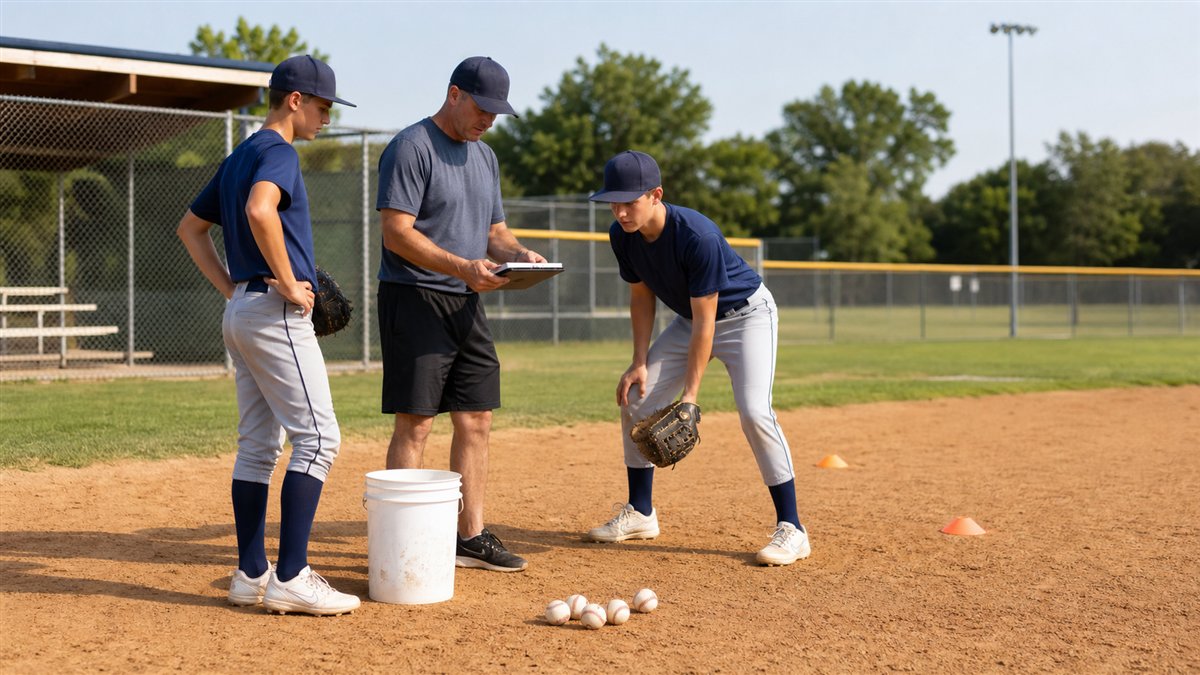
How to Track Baseball Player Development Without Extra Spreadsheets
How youth baseball coaches can track player growth, skill goals, feedback, and confidence without creating another spreadsheet routine.

About the author
SportX1 Editorial Team
Coach-reviewed guidance for youth sports learning, player development, team operations, and AI-supported coaching workflows.